

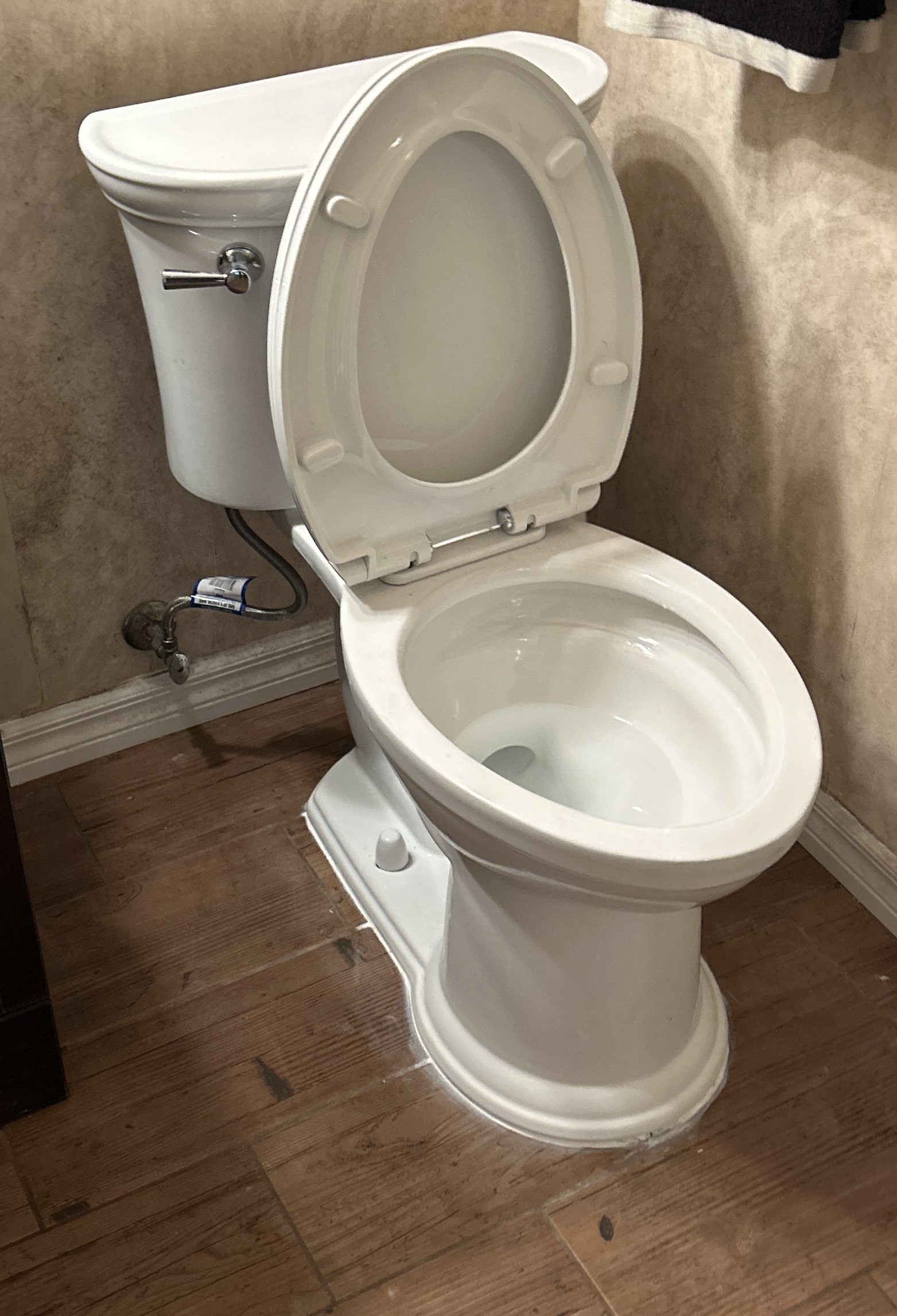
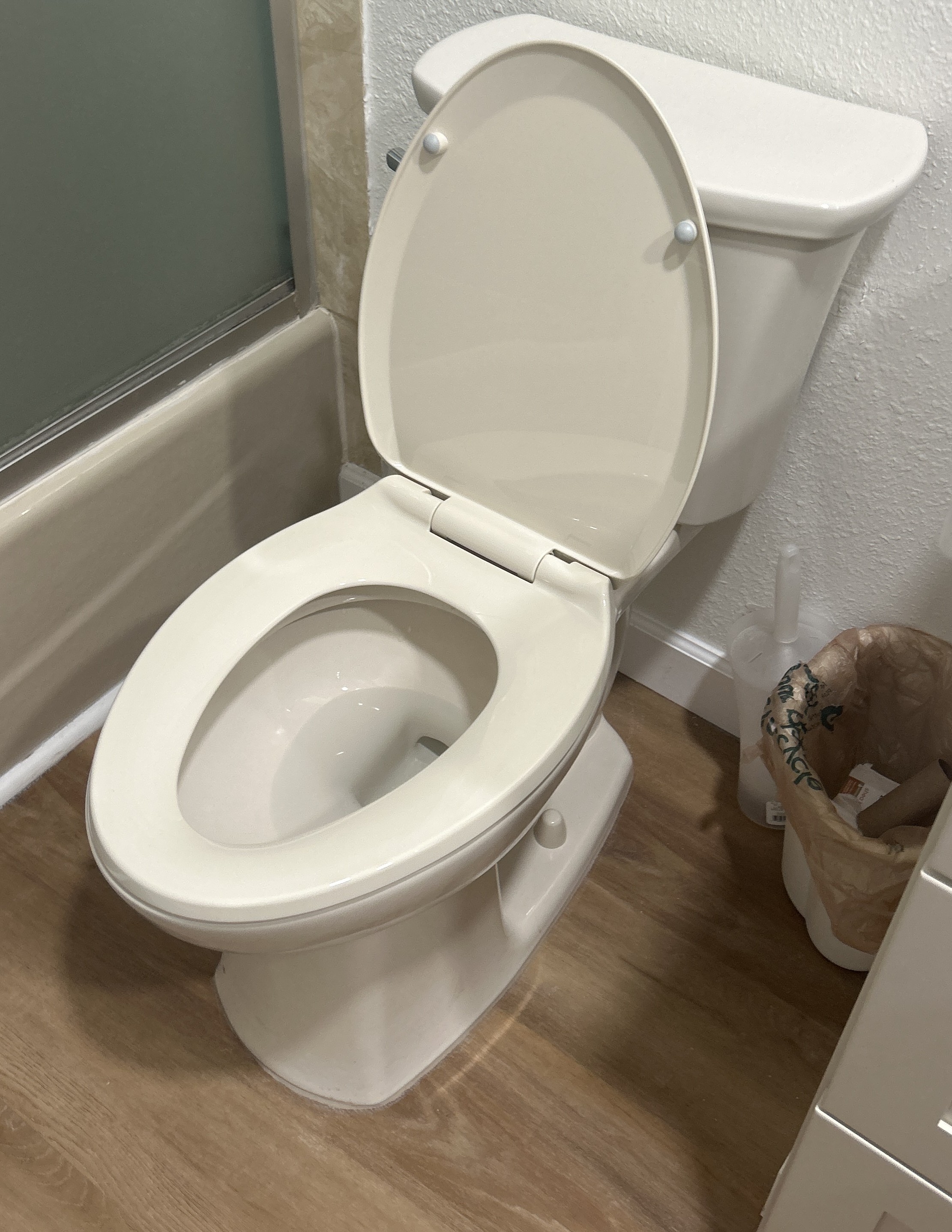
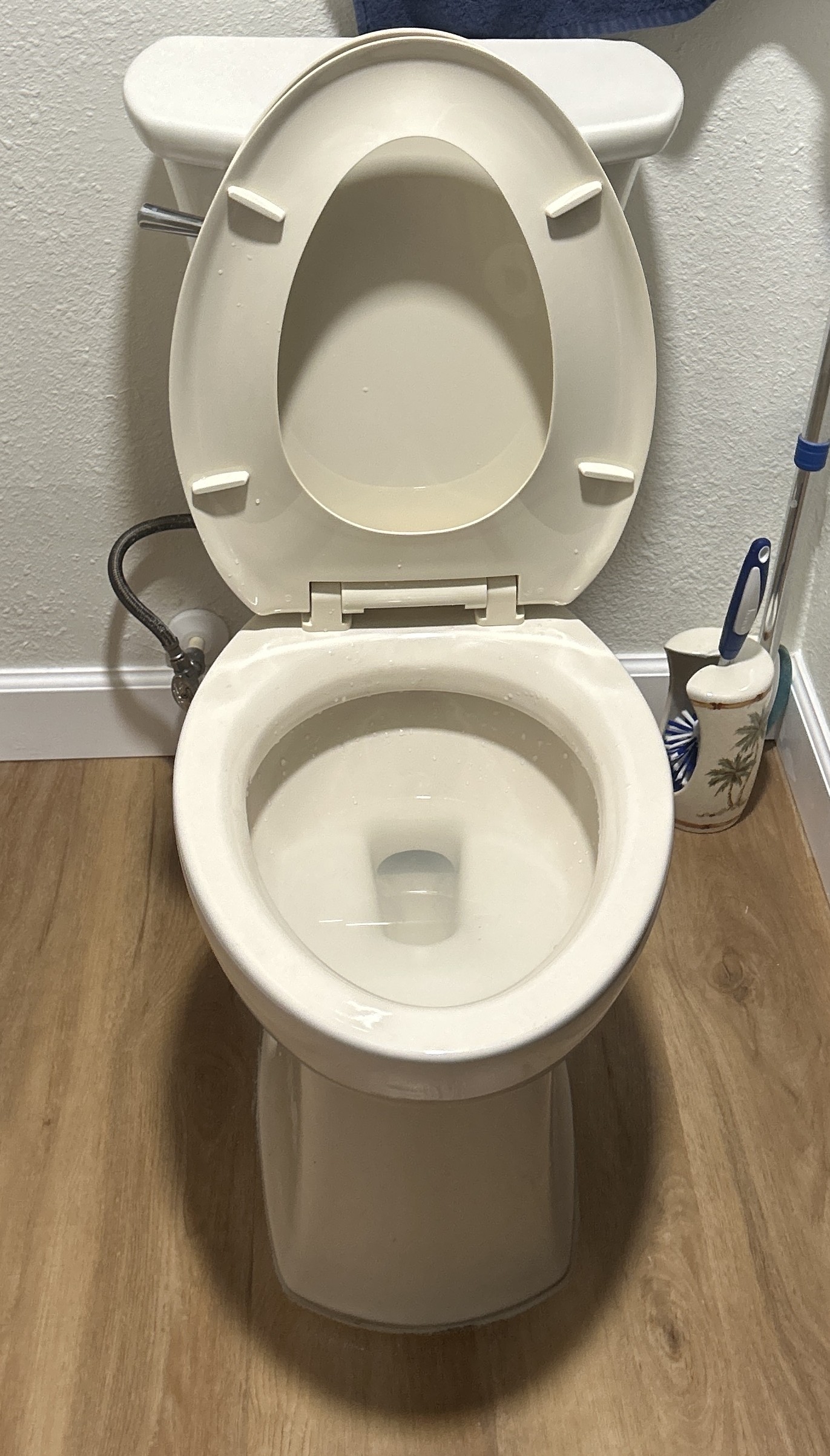
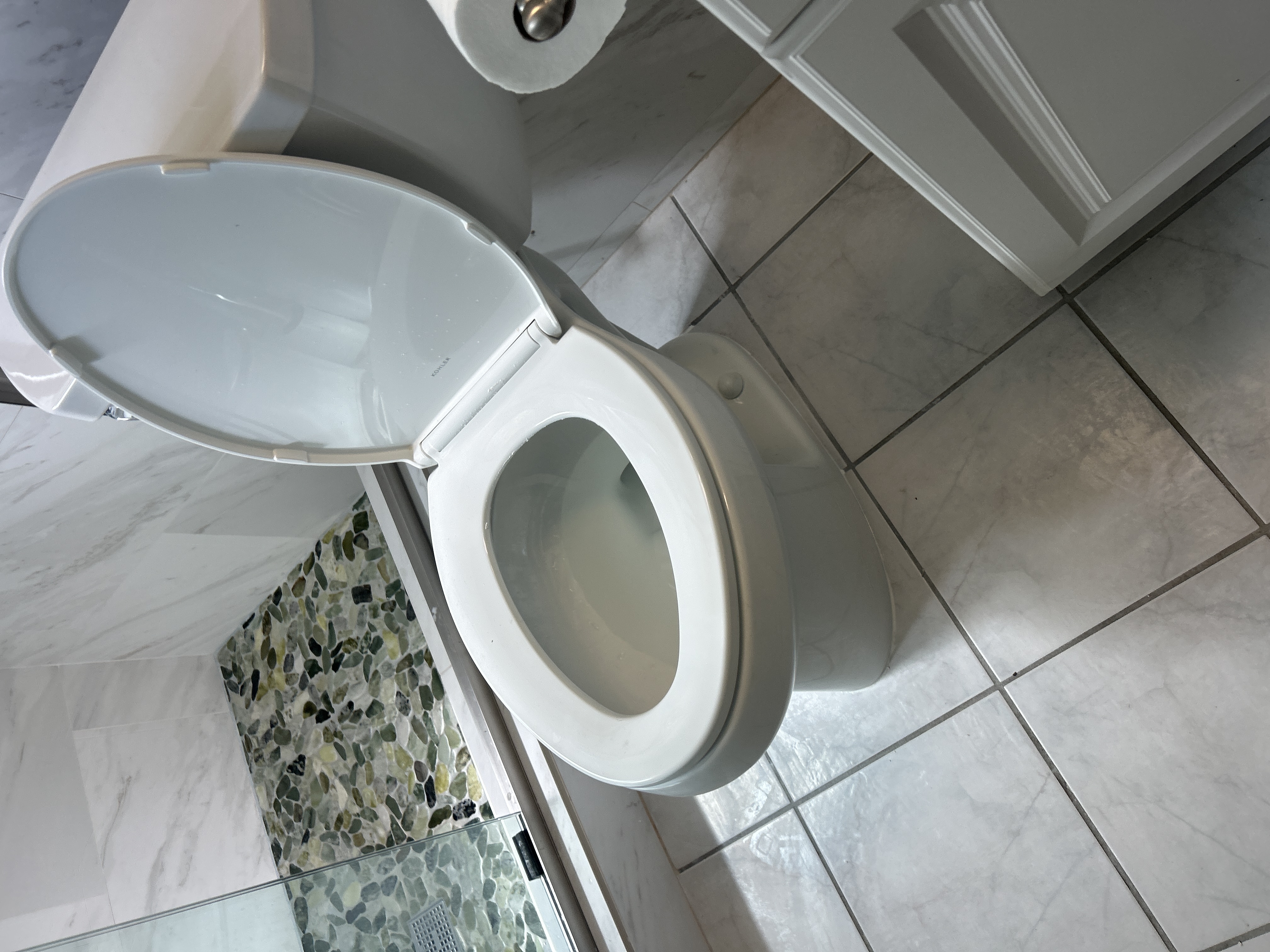
Toilets
Though there are several different styles and colors of residential toilets, there are really only two types of residerntial toilets
when you concsider fuctionailty; gravity and pressure assist. Compost toilets can also be found in some homes, however, these are
often times in the most extreme cases.
Basic Operation:
Before we get into the different types of toilets and how they function, let's first discuss their basic operation, for all toilets
flush the same way and use the same concept. All residential toilets need two things calibrated correctly and consistently
in order to properly flush; a specfic water level in the bowl and a specfic water level in the tank. That's right, the water level in
both the tank and the bowl must begin at a specfic level or the toilet will not flush correctly. Manufacturers will alter these levels
and their designs in any number of ways to get you, the user, the best possible result. Wheather they alter the trap in the bowl,
the throat size in the tank, the type of seal used, or the type of flushing mechanism installed; none of that matters if the water level
does not begin at its required height.
In older toilets, the needed water level in the tank was easily depicted because there was either am engraving on the tank
and/or a dark mark stamped on the tank. In today's toilets howecver, the water levels in the tank are a little bit harder to spot.
This is because the water marks are often not present as they are preset and determined by the manufactured flush valve that comes
with the toilet. Unfortunately because of this, if the fill valve is set to low or the fill tube is not installed correctly, the
system can fail without the user knowing why.
Let's then discuss the basic operation of a toilet. Again, before this explanation is given, it should be stated that the information
shared is solely for the basic understanding and not specfically for the readers' indivdual toilet. Starting things off, a toilet has
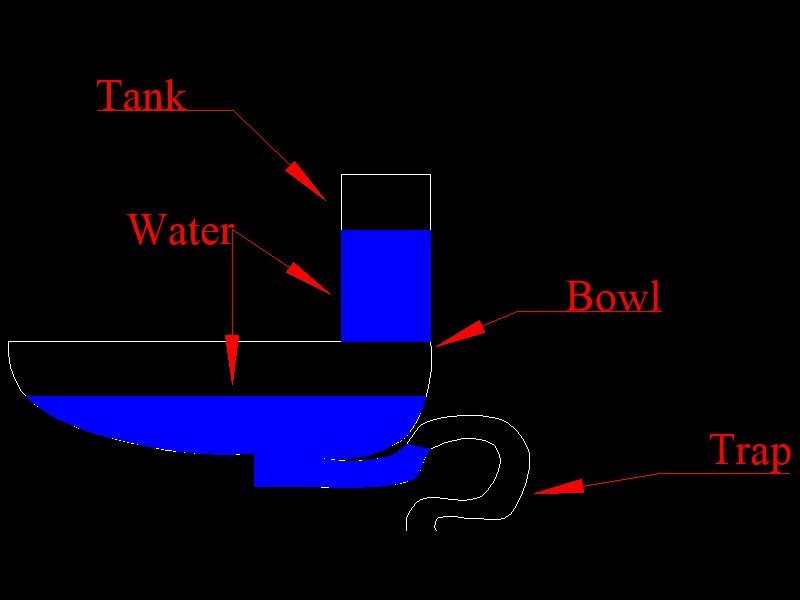
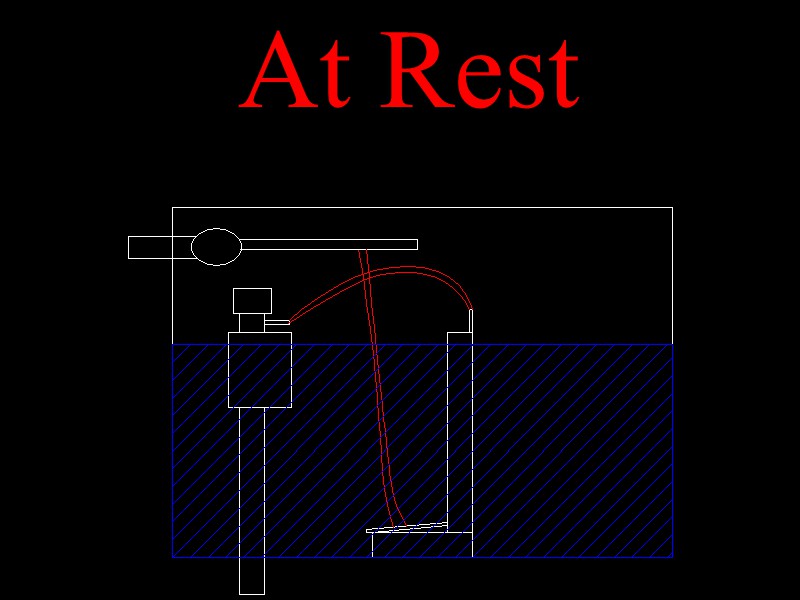
two reservoirs a tank and a bowl, and both reservoirs have a predetermined amount of water within them that they start with. This
starting point is the toilets' at rest stage. As the handle gets pressed the tank reservoir releases water into the bowl reservoir
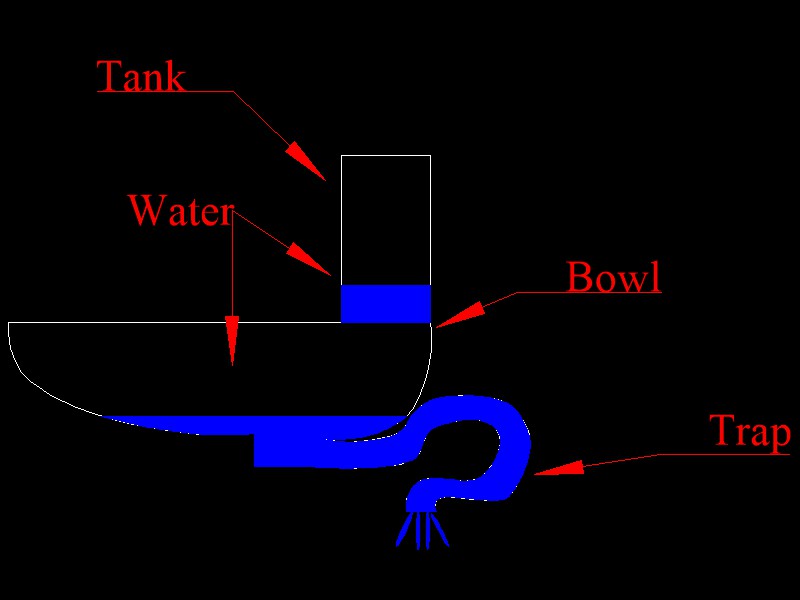
and the flush stage begins. At this stage, the water level begins to rise in the bowl reservoir. This rise is temporary as the released
water from the tank reservoir spills over the top of the trap inside the bowl and then flows down the drain and out of the toilet.
The flush stage ends when
the tank reservoir seals back up and the remaining released water is pulled through the trap by suction. Finally, the toilet goes through
a refill stage where water refills both the tank and bowl reservoirs. As stated above, manufactures will manipulate several
components of the toilet to affect how well the toilet can flush, but the basic principle of how a toilet flushes is universal.
Before leaving our discussion on toilets, let's take a look at the two different types of flushing styles: gravity and pressure assist.
Gravity assist:
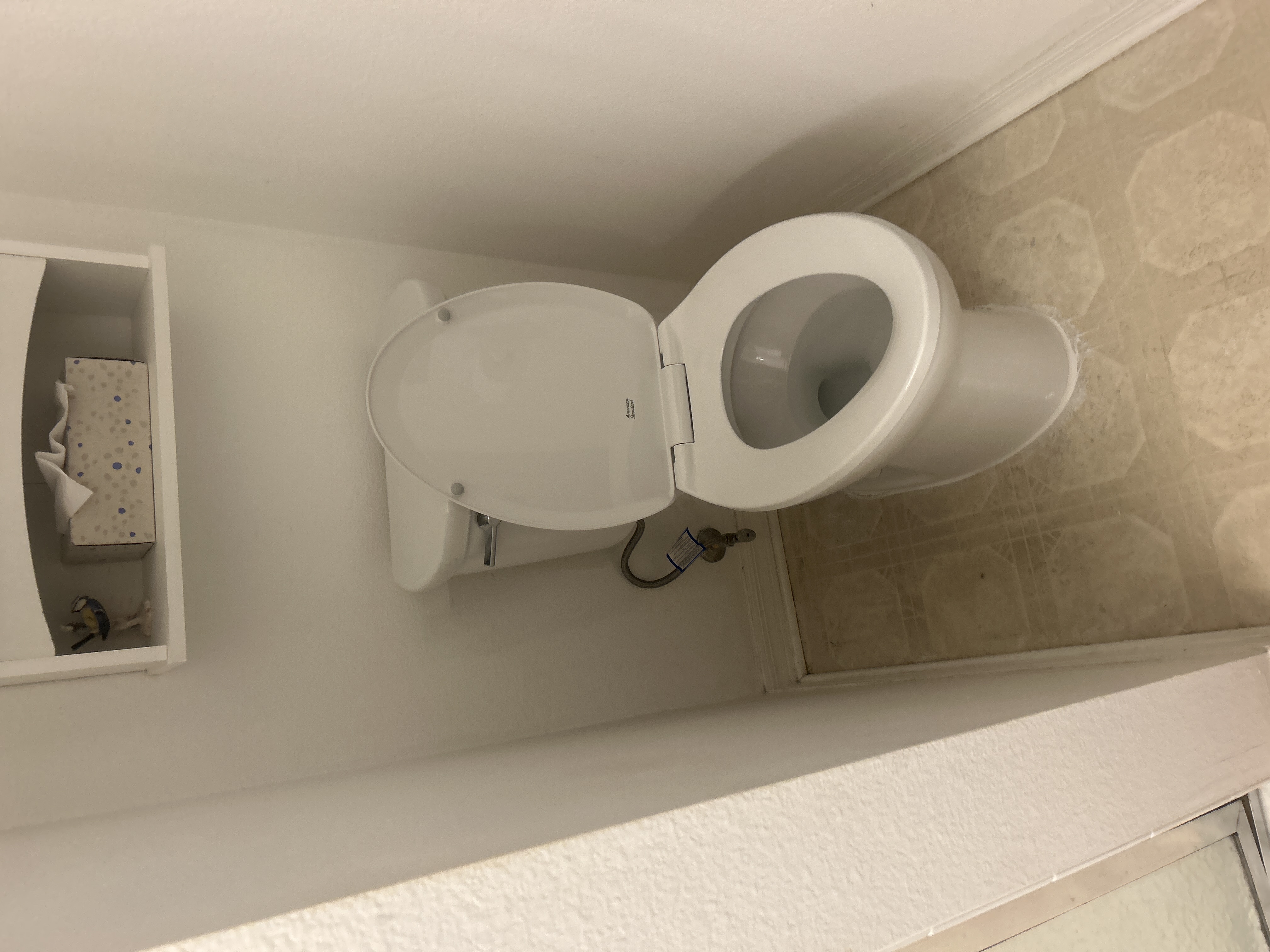
These toilets are your most common. They are found in nearly every single home. Thry are referred to as gravity flush as they rely on
the weight of gravity to the push the water out of the tank and into the bowl. Referring back to the previous paragraph. There are a
few required components that every tank reservoir must have installed in them: a flush valve, a flapper or a seal of some type that
keeps the water from traveling between the tank and the bowl, a fill valve, and a handle. Of course there are other components in the
tank reservoir, but for operational means, these are your required components.
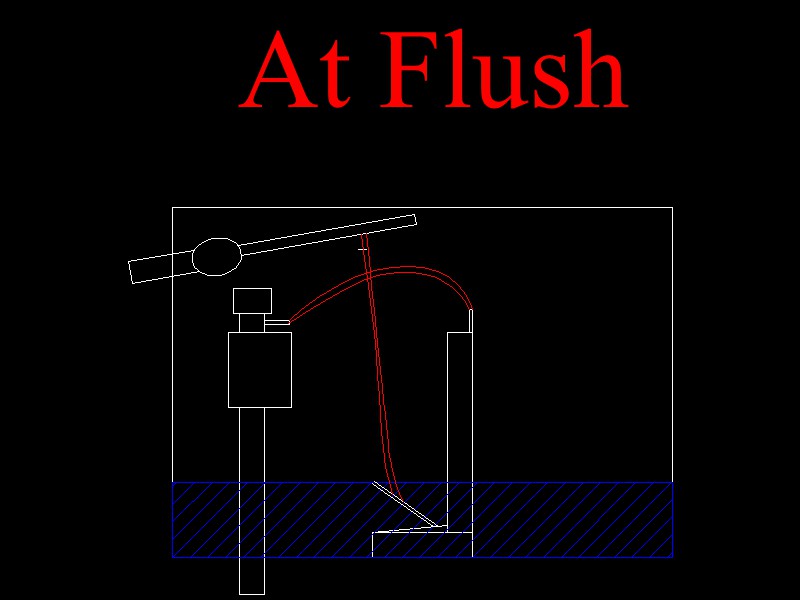
As for the flushing process. It begins when the handle gets pressed in a downward mnotion. Inside the tank, a chain, that is attached
to the flapper/seal gets pulled in an upward direction. This upward direction pulls against the flapper/seal thereby opening it up
and partially and temporarily removing it from its resting position on the flush valve. When this happens, the water that was resting in the
tank is immediately released through the flush valve and into the bowl. Once the pre-determined/pre-calibrated amount of water has left
the tank, the flapper/seal closes and returns to its resting position on the flush valve and the fill valve resupplies water to both
the tank and the bowl.
With this design, there are many different parts that all must work together in order for the toilet to flush properly. As stated
above the water level in both the tank and bowl reservoir must start off at a pre-determined/pre-calibrated level. If even one of
these levels are off the toilet will begin to slow and/or fail all together. The obvious question then is what is the correct water level
and how is it set? Fortunately, when you purchase a new toilet, the tank already comes setup by the manufacture so you don't have to worry
about it, but for those of you that have older toilets or have noticed that your toilet is not performing as it use to there are
a couple of things that you can check.
One thing that is worth checking is if your toilet is not performing well is the location of the refill tube. That's right, something as
simple as the refill tube coming out of place is enough to cause the toilet to fail. As for what a refill tube is, does, and where it
goes? As for what it is, the refill tube is a small plastic tube that travels
from the fill valve to the refill pipe that is attached to the flush valve. It's designed to refill the bowl after the flapper/seal
has closed and while the tank is being filled. The refill tube is of paramount importances due to the needed water levels in the bowl.
The fill valve is equally as important to the refill process as the fill tube is. This is because, the fill valve literally supplies
all of the water in both the tank and the bowl. The fill valve is float activated; meaning that as the float rises to a certain level,
the fill valve shuts the incoming water off and of course as the float drops, the fill valve allows the incoming water to fill the tank
and bowl.
So as you should be able to start to see that if the fill valve is not set to the right height or the refill tube is not in its correct
location then the toilet will not be able to perform as designed. This lack of performance does not just affect the toilet, but also has the real
protential to affect the drainage system that the toilet is attached to. Finally, to your DYIers, I get it, you need to save every
buck and plumbers are expensive, however, you must understand something. The information given above was to inform you not to guide
you in repairs. Attempting to repair a fixture yourself could leave you with an enormous bill if something goes wrong. If you suspect
that a problem exists, contact a licensed plumber and pay the fee.
Pressure assist:
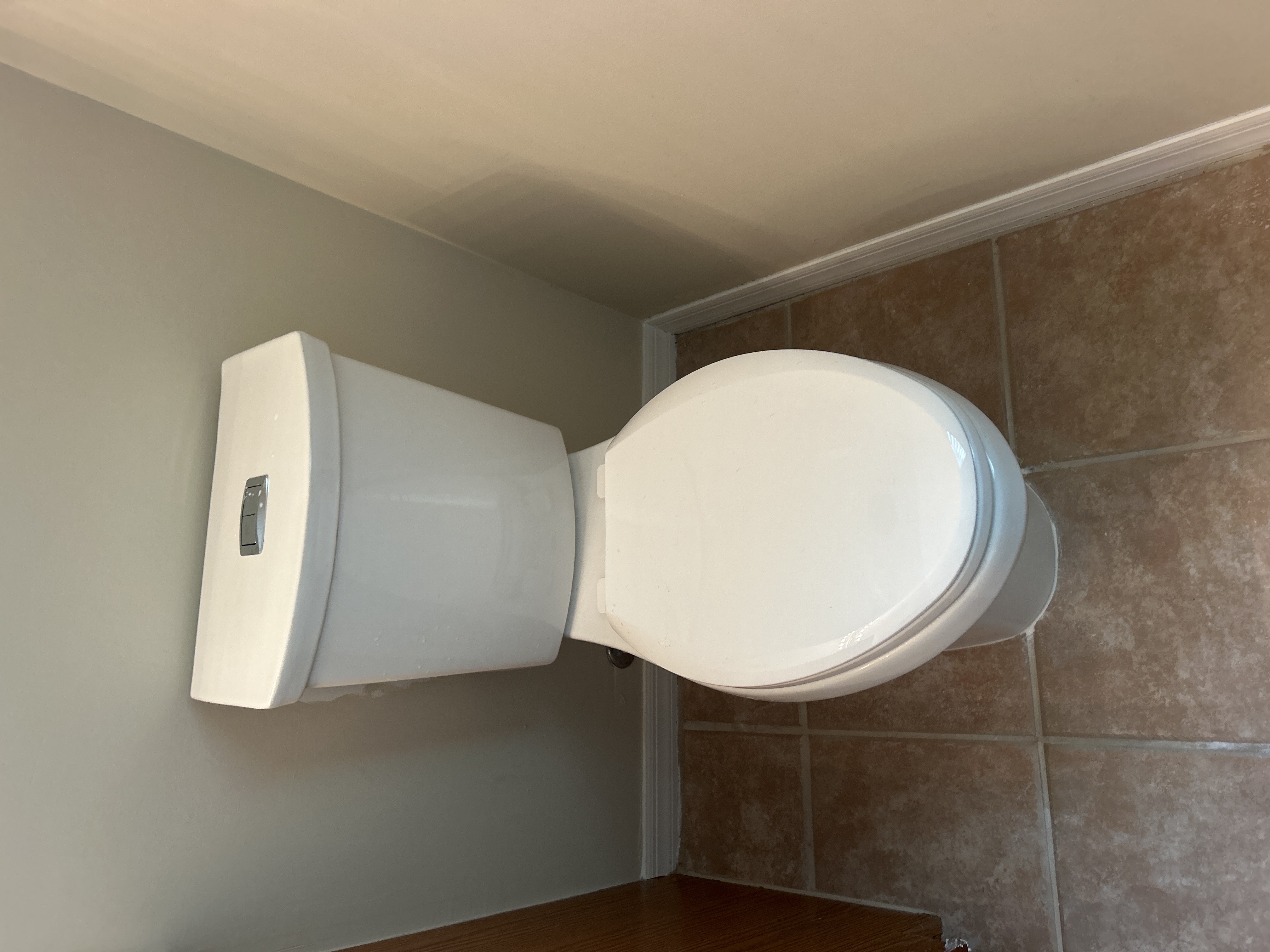
I'm not going to cover the internal working of the pressure assist toilet. It should be enough to say that it works off of the vaccum
principle whereby it uses a form of pressure to force the water through the trap of the toilet. These toilets like the gravity assist
toilet are also calibrated to use only a specfic amount of water. The advantage here is that they are heavily manufacturered regualated
meaning that there's a less chance of techincians negatively interferring with their operation. They are also able to support and move
harder then normal substances. The disadvantages are that they can be quite pricey and they also have a louder sound when they are flsuhed.