

Valves
Valves serve one of the most important functions in the plumbing system. They quite literally control the flow of the water going through
them. Without these valves, water would be able to flow freely and without restriction. This of coruse would present problems when repairs
to the plumbing system need to be made. To prevent the free flowing of water and the unobstructive plumbing system, differewnt types and
styles of valves are installed. This article gerneically covers these types, styles, and locations within the home and/or building. Before
we begin however, a destinction of what valves do not do needs to be made. Valves, in the residential and light commerical sense do not
affect pressure. That particular value is specially designed by manufactures and is not overly adjustable by the indivdual. We will briefly
cover this below, but for now understand that the valves that you, the user, can and do manipulate will not affect the pressure that comes
out of that valve.
Let's get going. It's not inaccurate to say that every fixture that is supplied with water in your home, office, and/or warehouse is a valve.
All faucets, tub and shower switches, toilets, urinals, eyewash systems, and the like are all valves. This is simply because they all control
the flow of water coming out of them. These valves also turn on or allow water to flow and turn off or terminate the flow of water, but these
are not the type of valves that this article is covering. This article rather is focused more on shutoff valves and how they isolate
the system as well as where you can find them. Main shutoff valves, neddle and saddle, angle stops, automatic shutoff, and pressure
reducing valves(PRV)s are the types that this article will cover.
Main Shutoff valves:
These valves are strategically placed both outside and inside the home and/or building. They are responsible for shutting the water off
and turning the water on to key areas. These areas are at the water heater, at a woter softener or whole house filtration unit,
if any, and as the point where the water line enters the building. Their sizes range but are typically 3/4 or
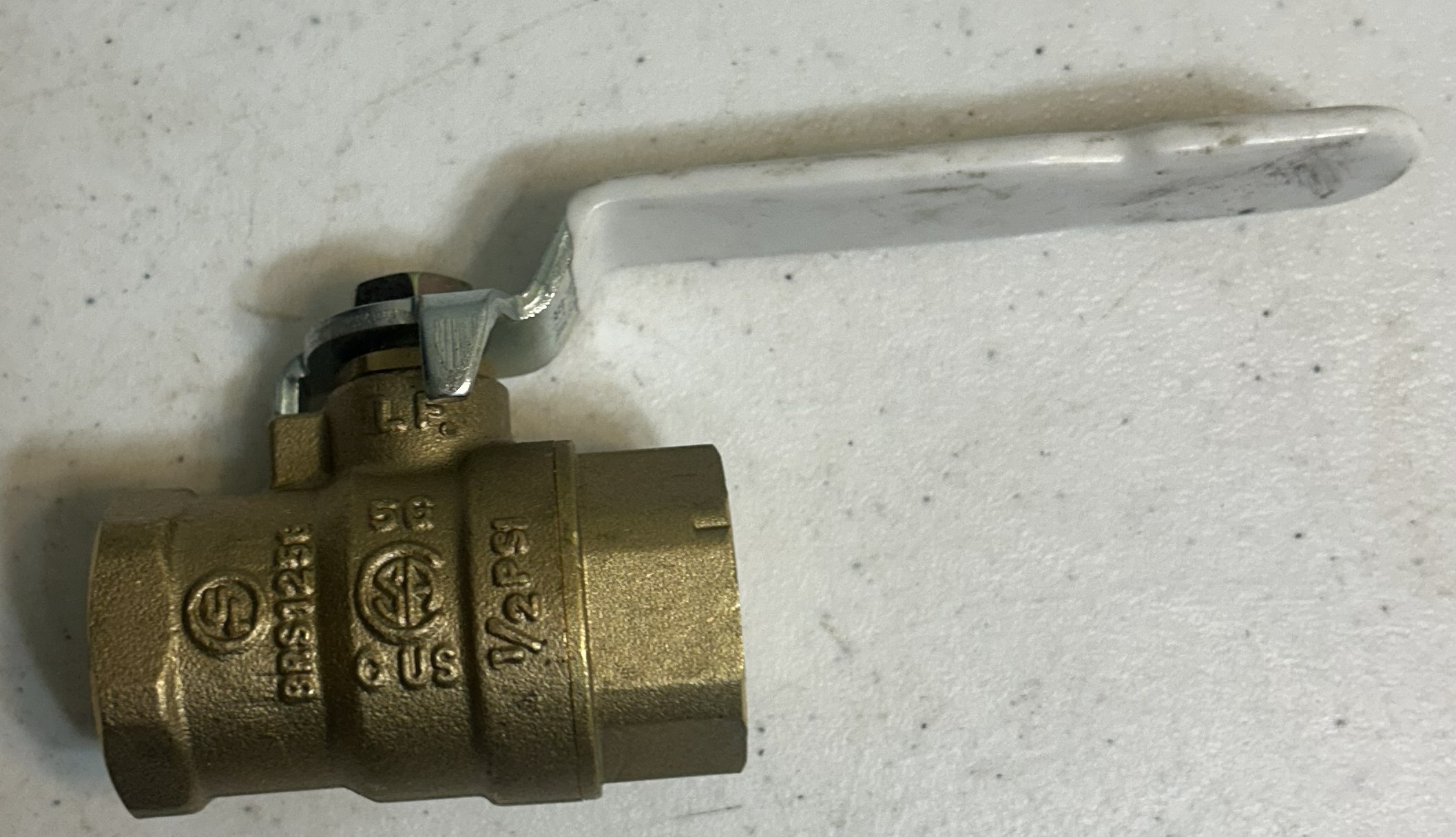
1 inch. They can either be plastic or brass and are of the style of ball or gate.
Plastic or brass? Ball or gate? As for the material, Bob Billas SHJ Plumbing is always going to recommend going with brass. This is largely
due to one factor, durablity. That's it, because brass is a metal, it holds up better then plastic. Here in Florida, our summer is brutal.
between the temperature and the humidity, the plastic handles on the plastic valves cannot hold up; they get brittle and break easily or
fail in use all together. Brass is also negatively affected by the heat and humitidy and should be maintained over the years, but evenstill
it lasts a lot longer without any intervention.
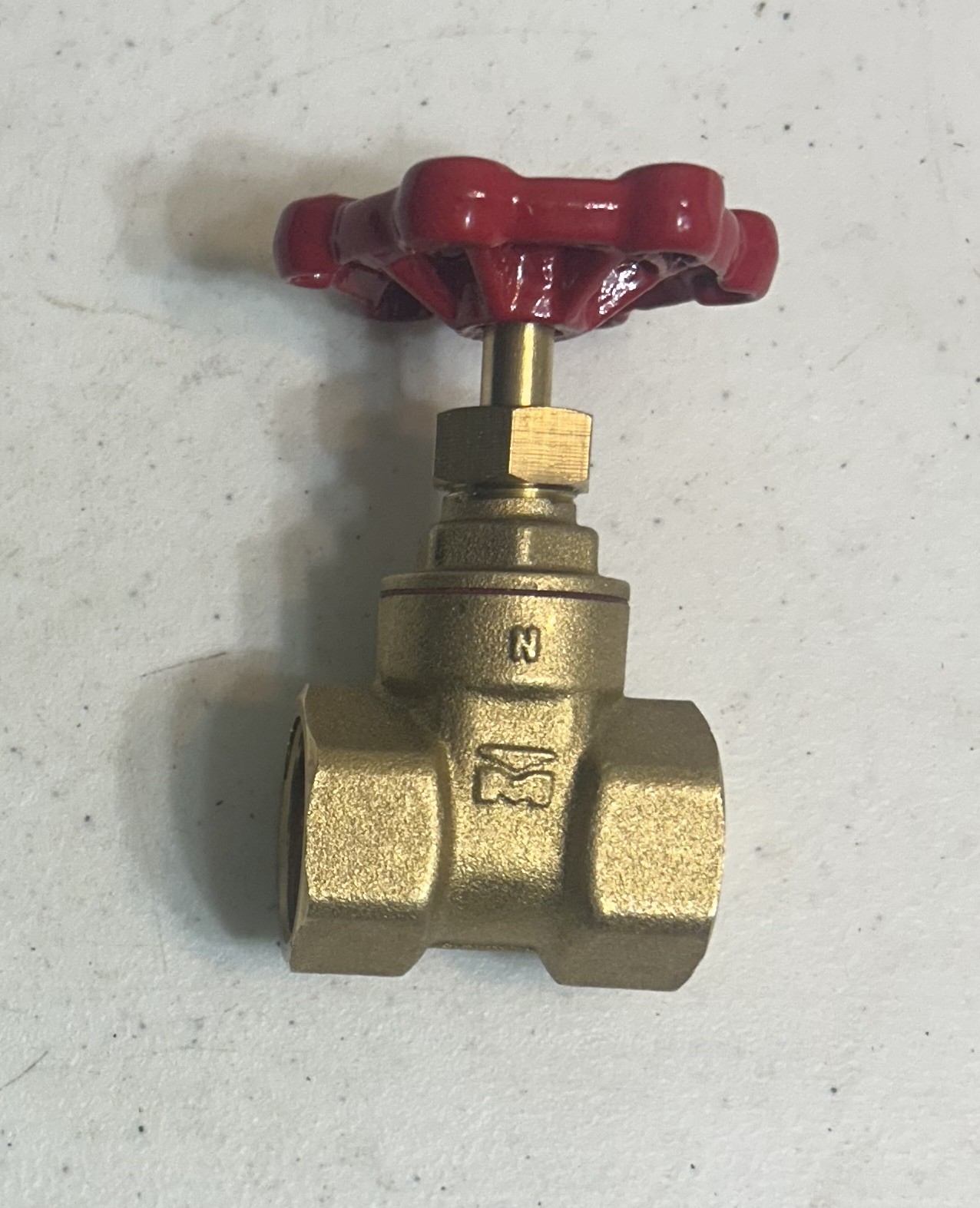
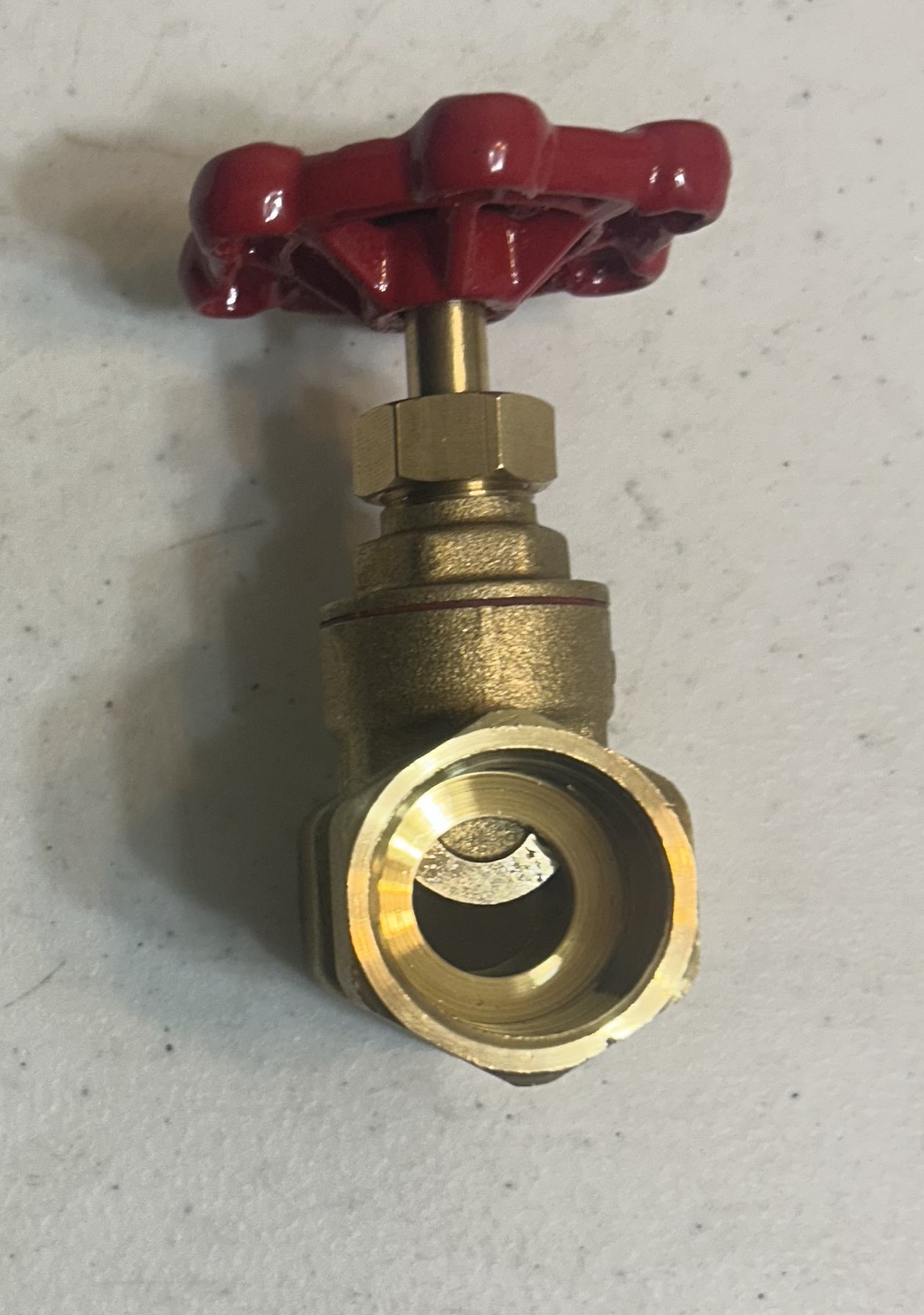
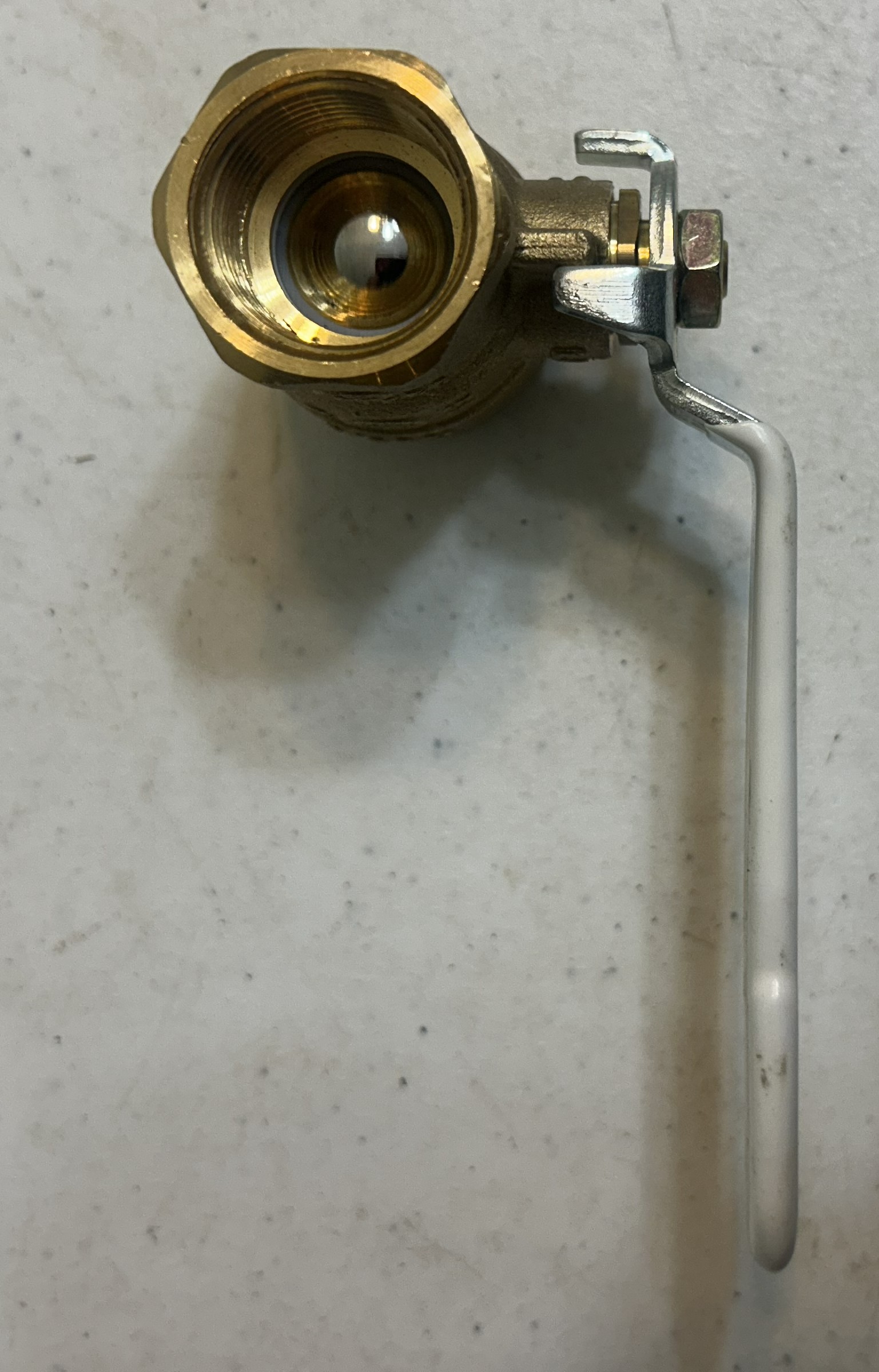
As for the type, ball or gate, we also recommend installing ball over gate valves. Gate valves open and close top to bottom and are denoted
by having a circular style handle. Its operation is pretty simple. Twisting the handle to the right closes the valve while twisting it to
the left opens the valve. Internally, as the valve is being closed, a solid piece of brass is being lower inside the valve and of coruse
opening the valve will raise the brass piece. This operates like a gate hence the name. The issue with these is not unlike the issue with
the plastic valves, the elements in the eviroment. Because of the harsh conditions to metal, the stem that attaches the handle to the brass
gate will rust up, ultimately lock up, and break. When this happens, the gate is frozen in whatever position it is in therefore potentially
either severely reducing or eliminating water volume to the building all together. Ball valves in contrast do not have this problem.
Though they to are made of brass and exposed to the same harsh enviroment, their operation is different for they open and close by pulling
a handle. Additionly, their gate is a ball that turns 90° in one direction and 90° in the oppesite direction. Of course ball valves
break to, the difference is in the warning. If a gate valve fails during operation, there is no warning and no way of knowing how
severe (position of gate). The only indication to the user will be that the handle will just keep spinning in either direction. The ball valve however will
give warning, as long as the user pays attention. If a user attempts to either open and/or close the valve and the valve has failed, then
the handle will not move. This will be true even if a backup is supported on the valve. If the user chooses to advance further in his or her
attempts then that is on the user but the valve has failed and will need to be replaced later unlike a gate valve failure which will
force a replacement immediately.
Neddle and Saddle valves:
This is going to be short. These types of valves will never be used by Bob Billa's SHJ Plumbing on a pressurized water supply line. There
is no better way to compromise a pressurized water line and cause a water leak down the road. If a plumbing company that you hire suggests
installing these types of valves in order to save a few hours of work, find a new plumbing company. Why? What are they?
Both neddle and saddle valves are installed the same way. They both drill a hole into the pipe and rely on screws and gaskets to seal the
protrution. The needle valve is commonly used to supply water to refrigerators. Though this practice is not really used today, when homes
were first built in the area, water llnes were not located behind the refrigerator. As automactic ice makers became the norm in households, people looked for a quick and easy
way to supply water to their refrigerators. The birth of the needle valve quickly followed. This valve was seen as acceptable because it
was able to be shutoff by twisting a thin metal wire to the right. Saddle valves in contrast have no handle attached to it. They are
simply a way for an individual to add a pipe without doing much work. Both syles will and do cause leaks.
Angle Stops:
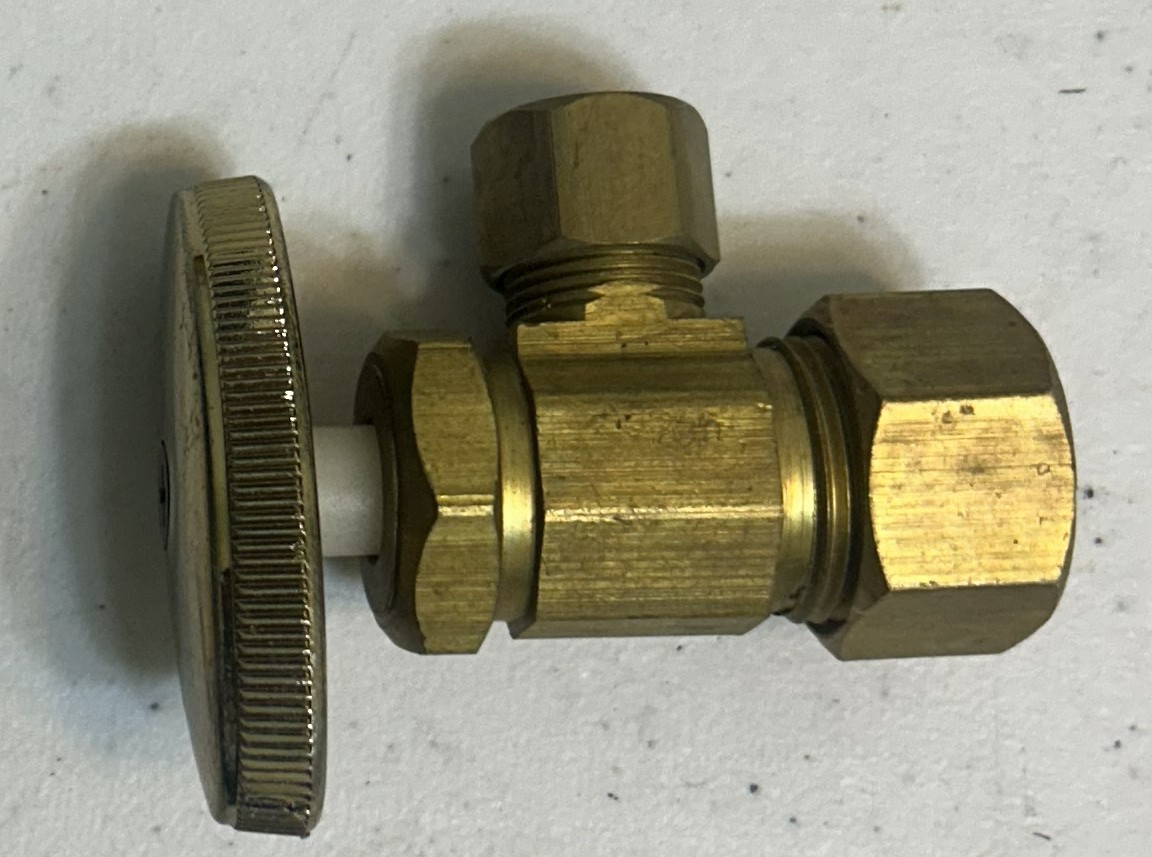
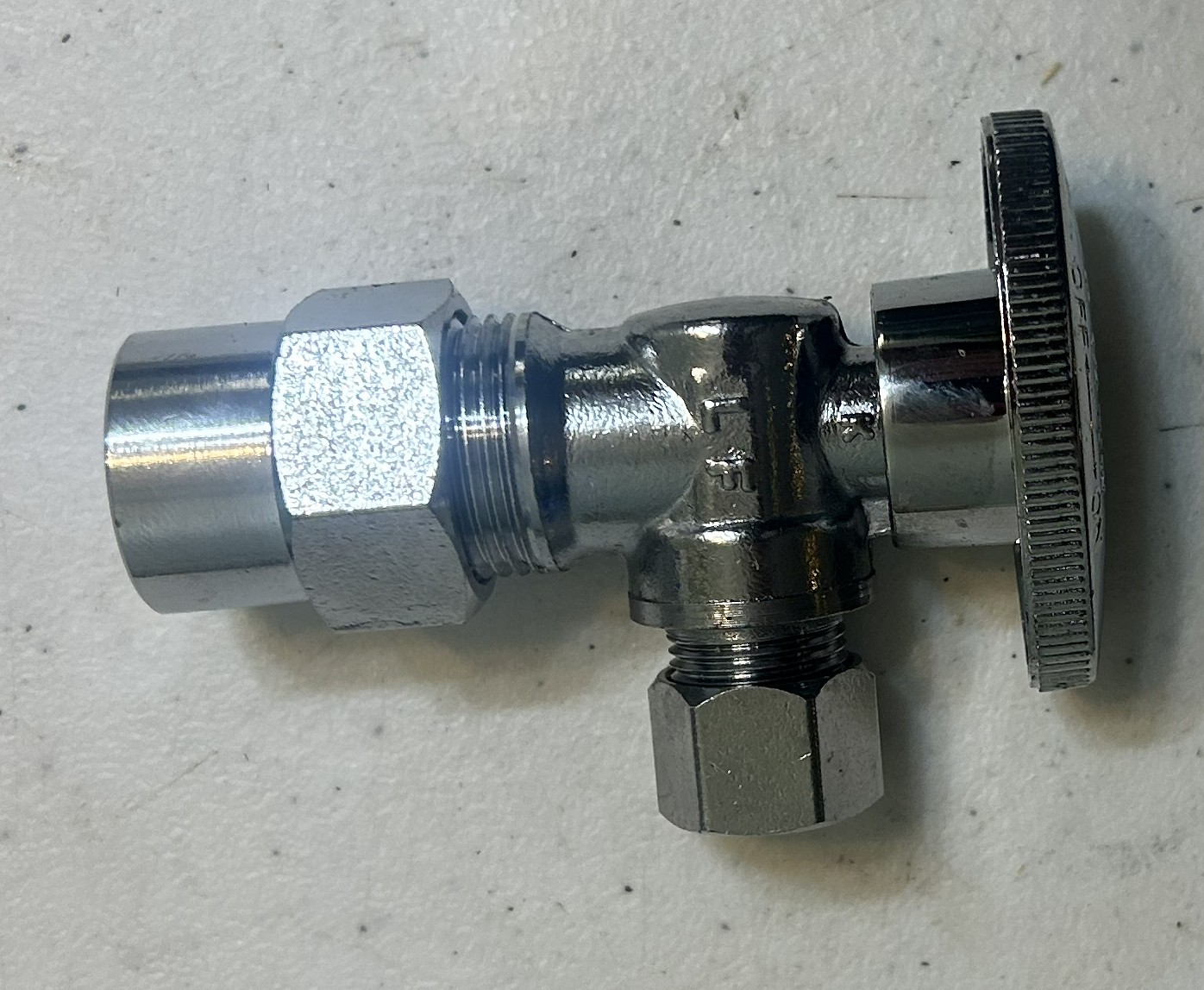
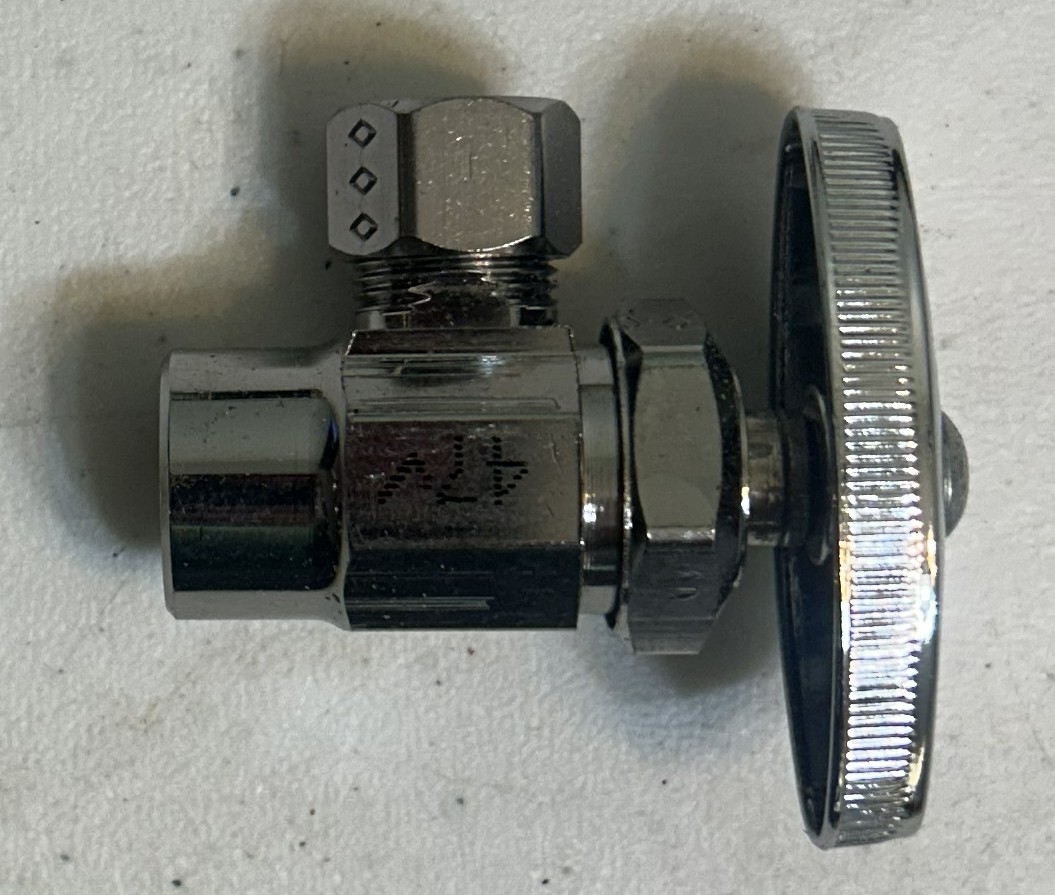
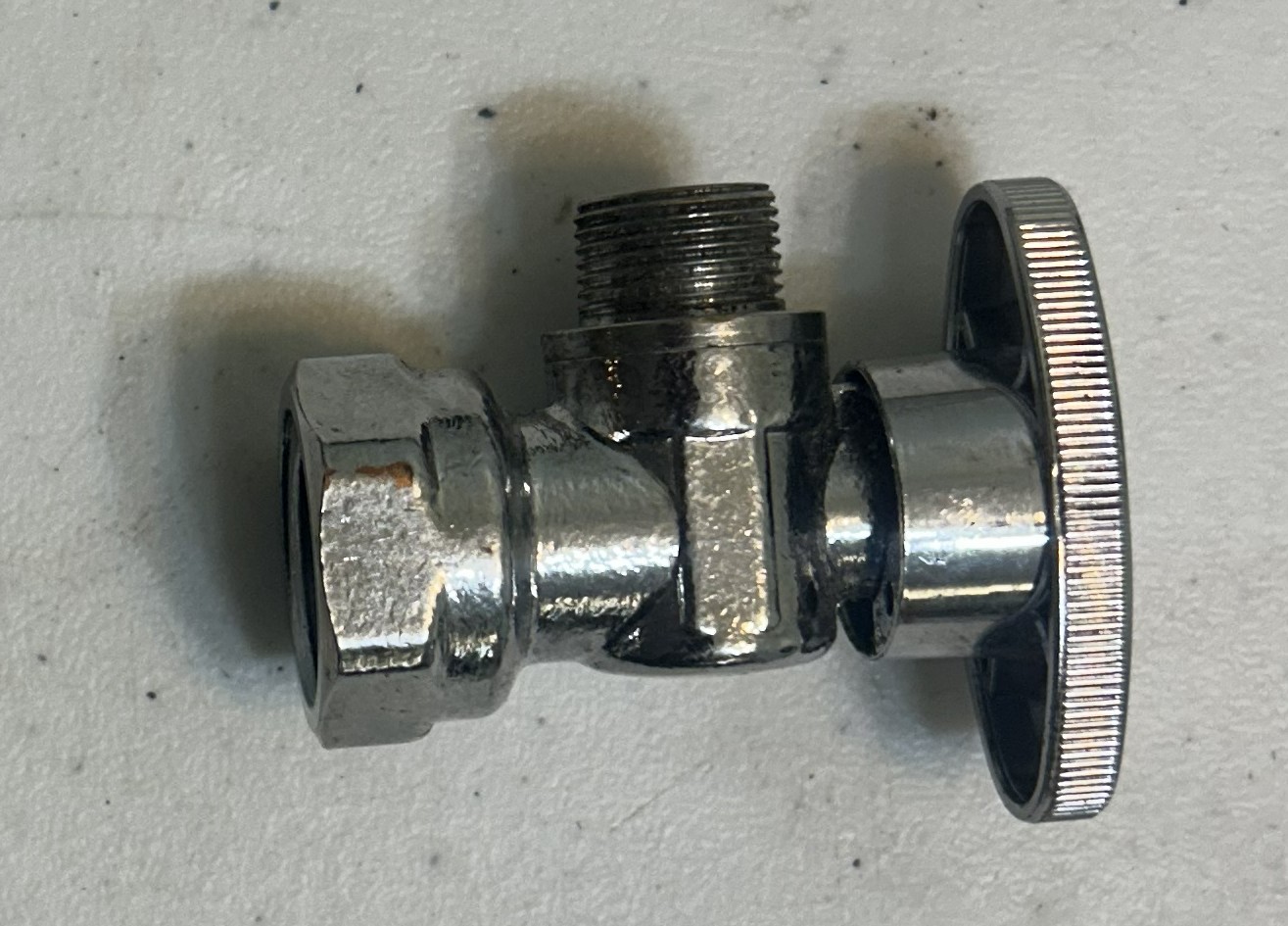
These valves are found under your sinks and toilets. They are responsible for supplying water to each and every fixture. The operation
of these valve can be 1/4 turn or twist. The main thing for these valves are how they are attached to the service
pipes. There are compression, glue on, iron pipe, sweat, quick connect and pex styles of angle stops and they all have their purpose, but they
are all not necessarily installed correctly. As an example, new construction technicians will often use a compression angle stop on a CPVC service pipe. This
type of application is not the best use for this type of pipe. In this example, compression angle stops are secured by tightening a brass
ring and a metal nut onto a plastic pipe. This causes problems over times which can cause real damage.
Pressure rudcing valves(PRV):
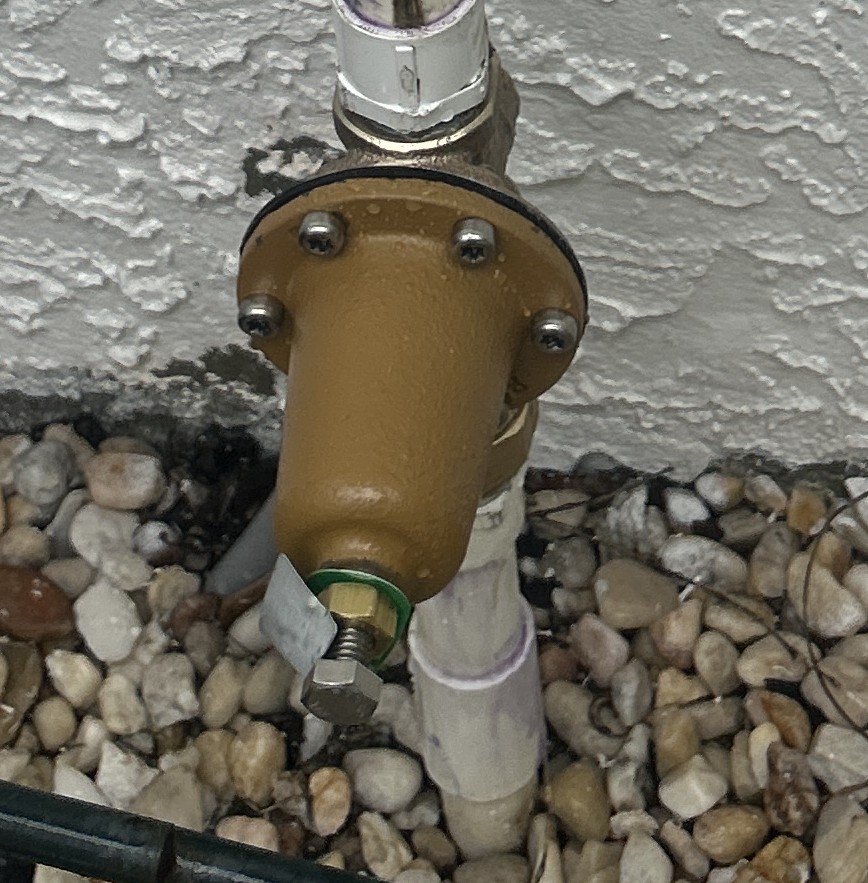
These valves operate exactly as intended in their name, they reduce or control the pressure that is supplied against the water coming into
the building. The way this is accomplished is bigger then this snippet, but the reason is not. The idea behind the regulation is to reduce
water hammering among other things. Water hammering can cause screens in water conditioning equipment to fail, fill valve tubes in toilets
to pop out of place, and in some cases leaks in already strained piping and/or fittings. To help to ensure the PRV is doing its job, a
non-adjustable blowoff valve set to 75psi is also needed. As of today, the PRV is not mandated by the Florida Building Code(FBC) but the
blowoff valve is. Because of this, you will need the PRV to keep the blowoff valve from leaking.