

 `
Water Heaters
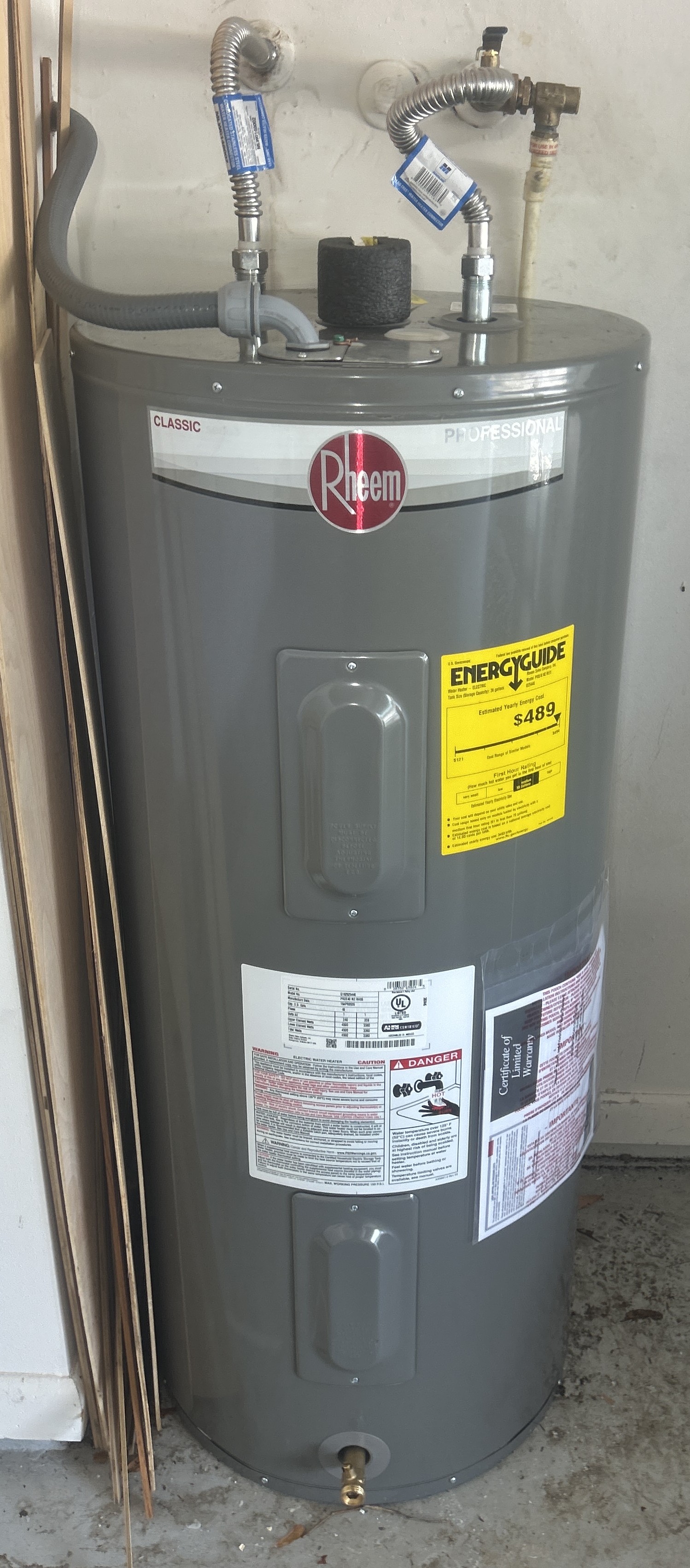
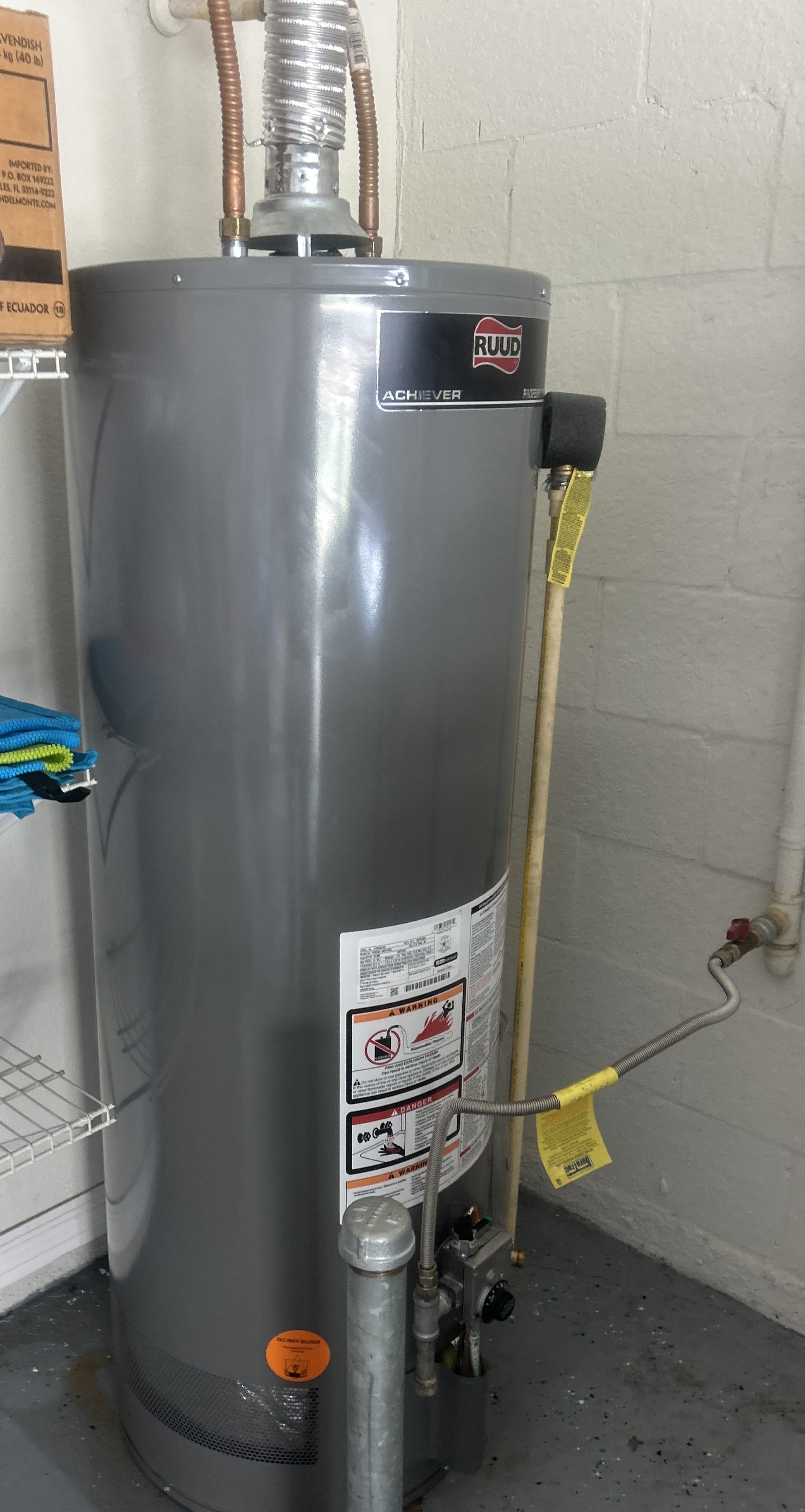
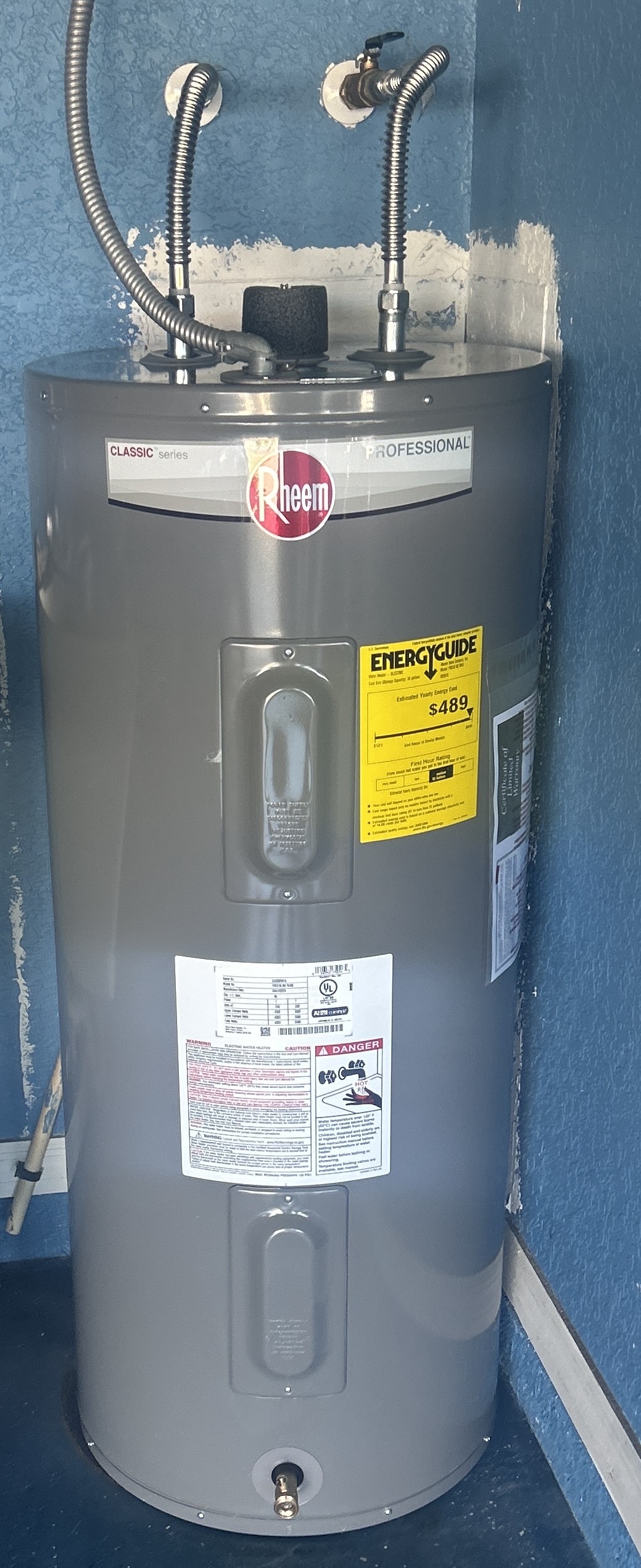
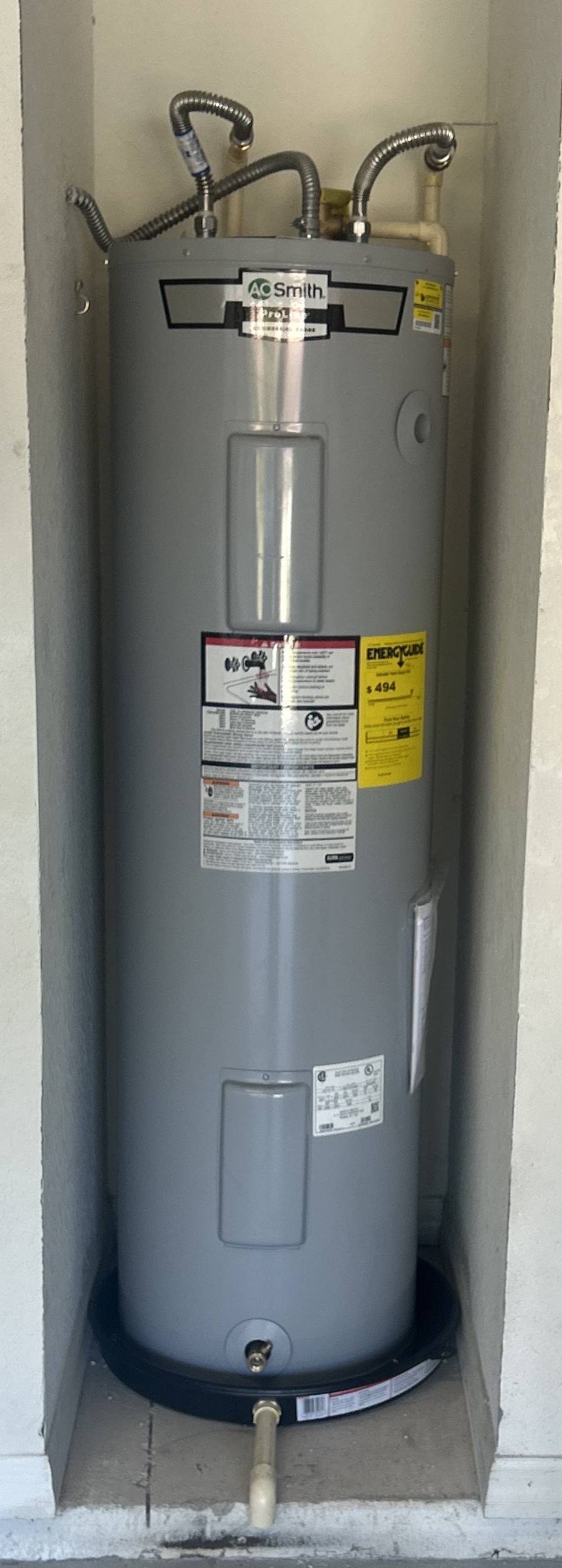
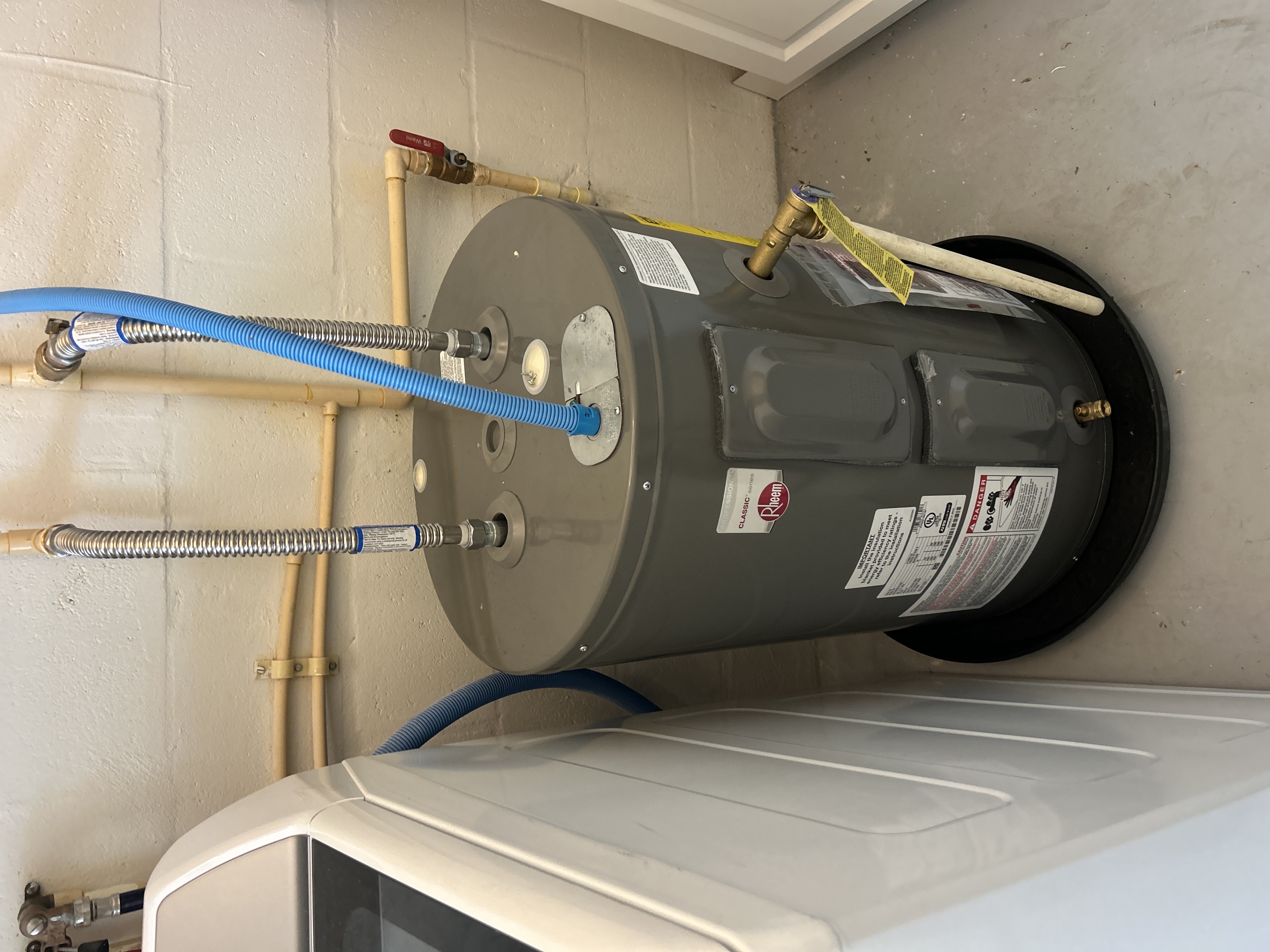
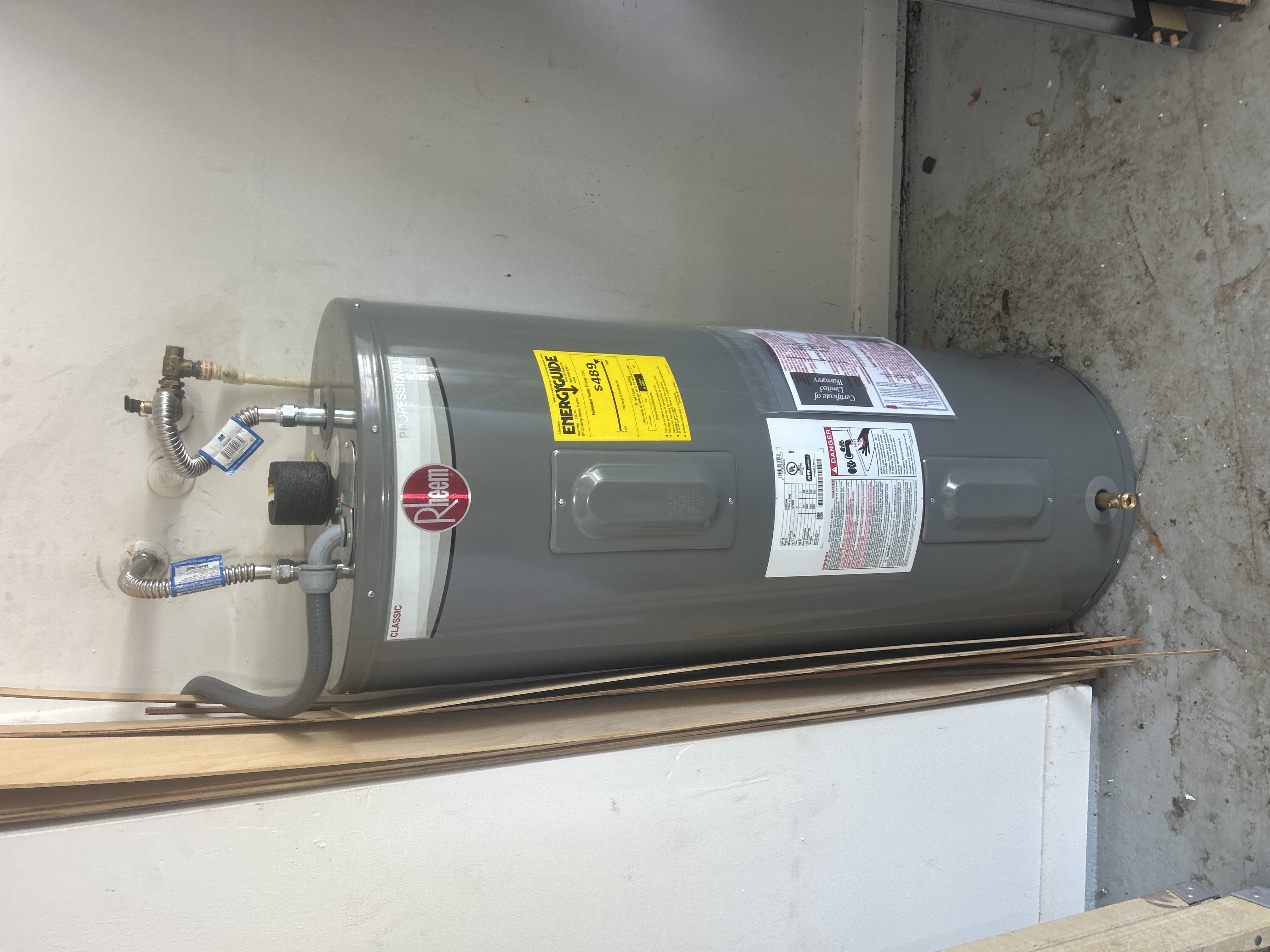
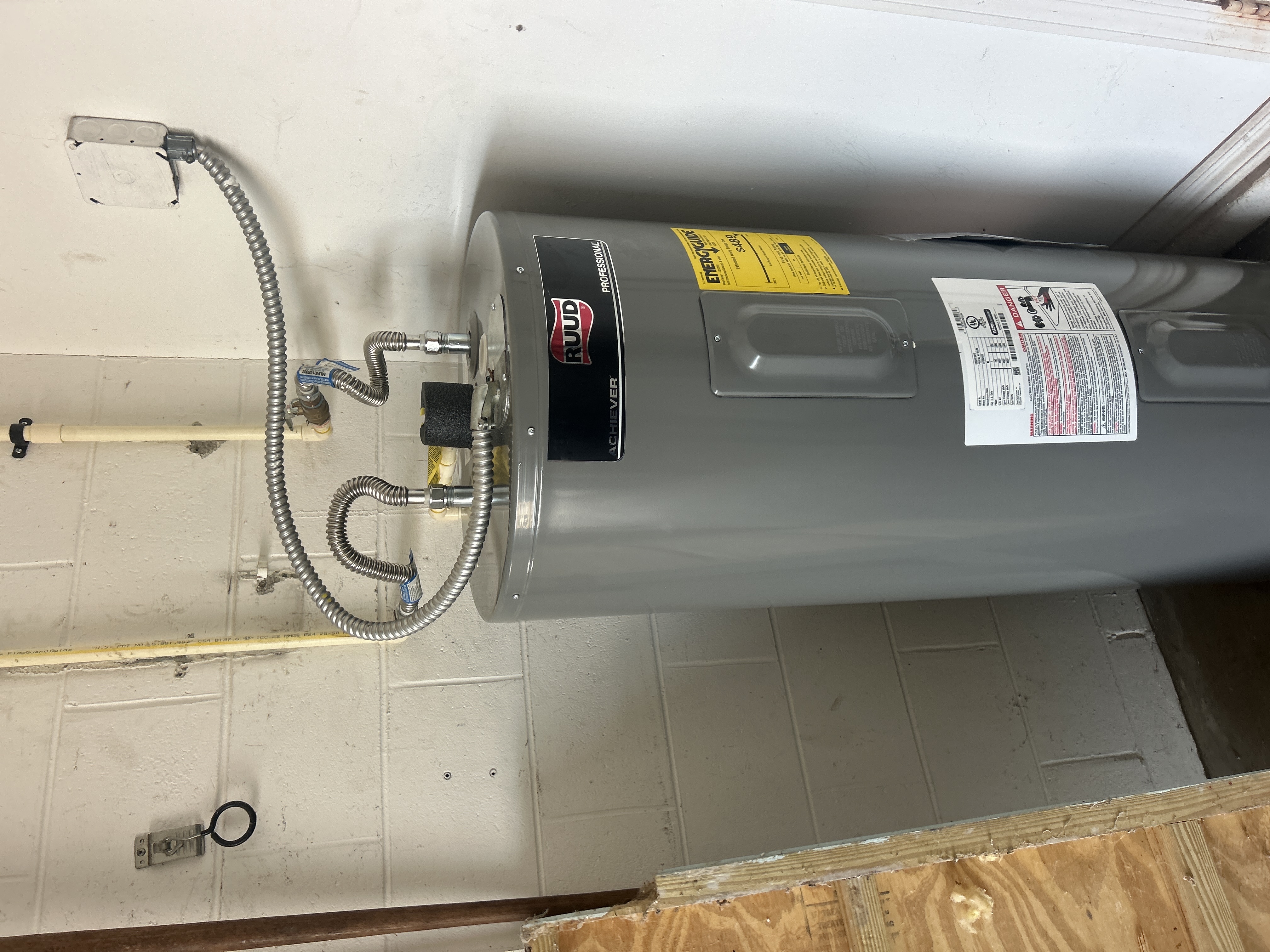
Water heaters come in all shapes and sizes. Some heat water by means of gas, some by electric. Some water heaters are storage tanks
and some have no storage. What's the best for efficiency depends a lot on the way your home is designed and powered. You do have
chooses here and this page is going to attempt to help you see that. As with anything, a manufactured product performs only as well
as its maintained.
Power Supply:
Electric:
Let's kick our discussion of water heaters off by talking about their power supply. There are four: electric, natural gas, propane
gas, and solar. The two gases, natural and propane, heat the water in the same way, so when you read below, remember this.
Electric heats the water in a couple of different ways. The most prevalent is by supplying voltage to two metal prongs called
elements. These elements slowly and constantly heat up the water to a preset temperature at which point a thermostat shuts the
power off. There are a lot of things happening here, but suffice to say that this technique is tried and true and has been utilized
for over a century.
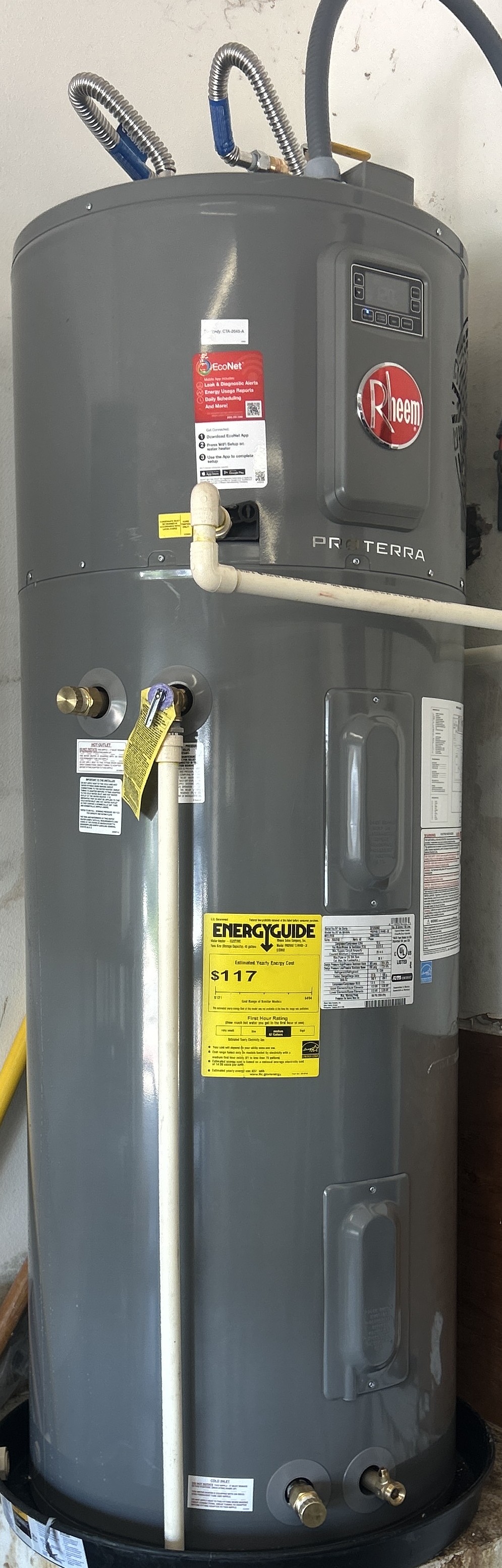
Electric heaters have gotten a lot more efficient since 1889 though. Today's upgraded models offer a hybrid approach where the
user can still heat the water the traditionsal way or heat the water by use of a condensor. This technique draws in heat from the
surrounding air and uses it through a refrigeration process to heat the water. This design is extremely efficient and well worth
the money. In addition to its efficiency, it has the ability to heat the water pretty much non-stop thereby producing an incredible
recovery rate for large gatherings or families. A great alternative to Tankless.
Gas:
There are two types of gases that are used natural and propane. Natural is highly abundant and is supplied to the individual home at
the time of construction mostly. Propane is a little less known, but is equal to natural in its capablities. Where natural is supplied
by the utility company, propane is maunfactured and supplied by independent suppliers. Both gases heat the water from the bottom of
the tank. The concept of a stovetop boiling water is a good imagery.
Solar:
Solar is kind of a phased out power source but is still in use and worth mentioning. Solar water heaters gets their energy from the sun.
This is achieved through solar panels that are mounted on the roof where the heat from the sun warms the water. The warmed water is
therefore transfered to the water heater by use of a pump where it sits and waits to be used. These water heaters are a little more
than a storage tank though they do have one element. The adavntage is the efficiency in having the heat of the day supply the energy
needed to heat the water. The disadvantage comes on overcast and cooler days where one element is forced to heat an entire tank.
So which is best? Electric, Gas or Solar? Tank or Tankless? For most, this answer is dictated through the design of the house. If the
house is supplied with electric for the water heaters' power soruce instead of gas then its electric and vica versa. Even though this
is true for the power source, the type and style is not necessarily definative. For instance, you can choose to install a solar water
heater on either a electric supplied or a gas supplied house. But let's be real here, solar's not your best option in either case.
The best setups are always going to be the most efficient. They are also not going to be the cheapest. If you have gas and you're not on
a well, your best option is a tankless water heater period. In contrast if your power supply is electric then your most efficient choice is to
install a hybrid water heater. The standard tanks are fine but they do have their disadvantages. One disadvantage for a gas water heater
for instance is the amount of room it takes in the garage. Another disadvantage for a gas tank water heater is the possibillity of
failure and/or unwanted fumes in the garage. As for the electric side, you are not
going to get away from the tank. This is because the power demand is too high for an effectively working tankless water heater. Since
this is the case and if you can sport the money, the hybrid is the way to go. Finally, if you are able to and again not on a well,
then havuing a propane tank sunk into the ground so that you can go tankless is preferrable.
Modular and mobile homes should stay with electric even if they are supplied differently. This is largely due to the fact that these
homes are tinder boxes. It doesn't take much to burn them down. Unless the home was recentky built, a lot of modular homes are supplied
with 110V to heat thier water. There is nothing wrong with this, it just means that the heating process will take a little longer.
Finally, homes that are supplied with 110V for the hot water heater only will not be able to have a hybrid water heater installed
as the minimum voltage required is 240V*.
*-this may be changing
Maintenance:
Let's speak about Maintenance and maintaining your equipment. To begin with, every fixture in your home and every velve underneath
every your fixtures are all directly affected by the condition of the home. This last statement is not a knock on anyone, its just the
truth. If a home is kept tidy, the fixtures and valves are going to reflect that and in many cases be easier to work and also last
longer. In contrast, an unkept house with dirt and dust constantly around will negatively affect those same fixtures. Garages and
laundry rooms where water heaters are typically located are dirt and dust magnetics. In addition to the constant clutter,
garages get extremely hot and go throough the most dramatic temperature swings in the home all year long. In short, the abuse a water
heater takes from the surrounding elements alone is extreme. Water quailty is also another factor that can affect the inside of the
water heater and though you can do next to nothing about the outside elements and maybe somewhat limited on the incoming water quailty, there
are actions that can be taken to attempt to lenghten the life of your water heater.
The first action is to have your water heater flushed annually. This is actually mandatory for a tankless water heater. Annually, flsuhing
your water heater helps to push out any sediment that might of accumulated from the year before in tanks and helps to keep the pipes
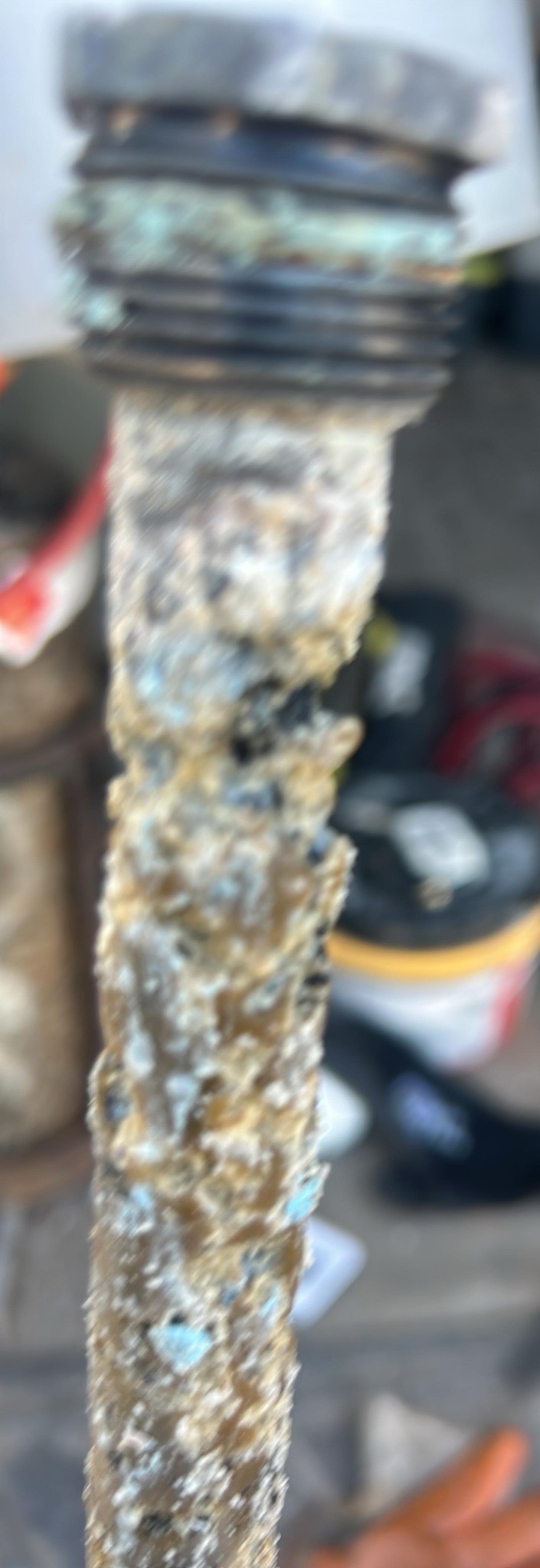
clean and free of debris for tankless. A second action that can be taken is to have the anode rod replaced every third to forth year.
Sediment? Anode Rod? Pipes clean? What? Regarding the sediment and the anode rod. Both of these are for your tank type water heaters. Sediment
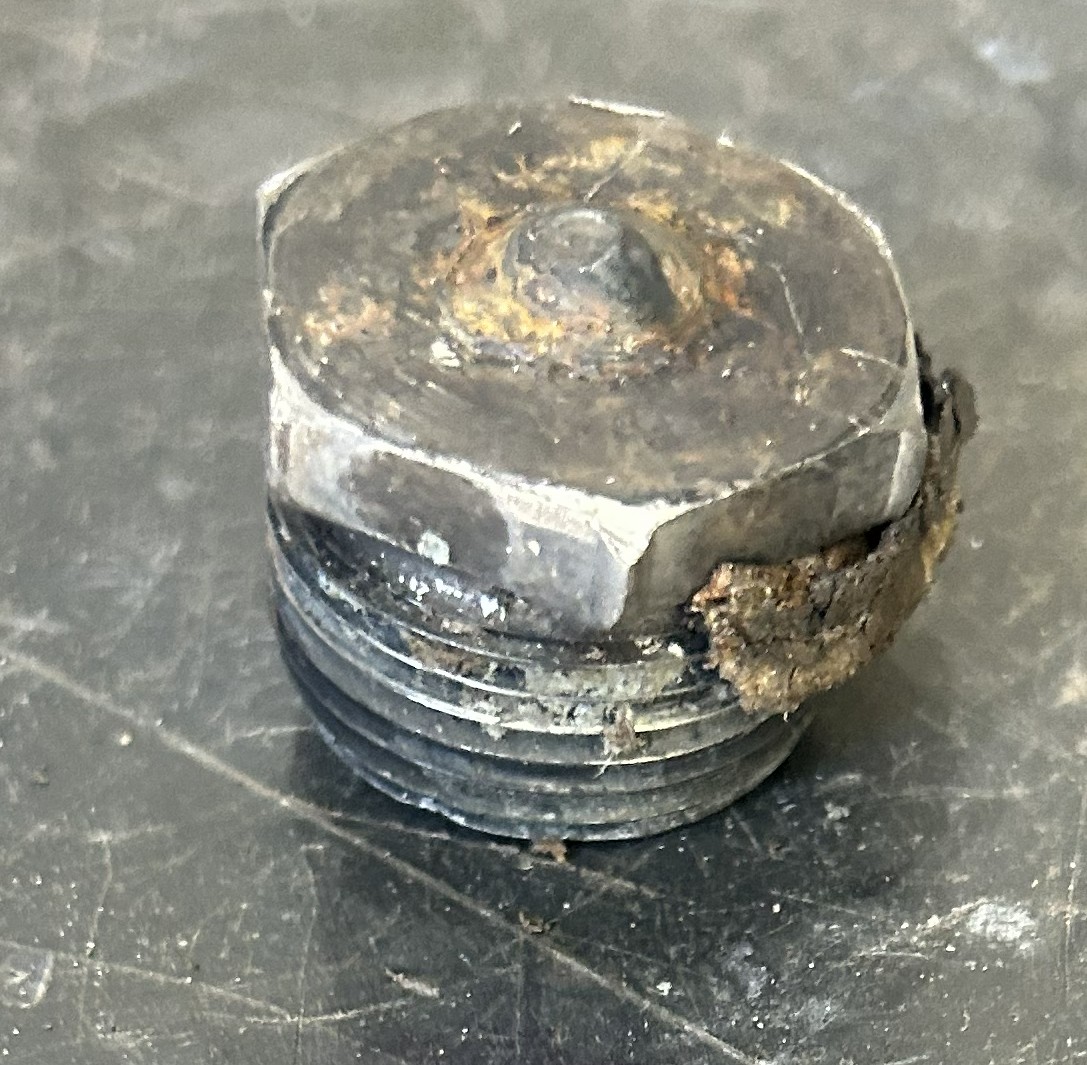
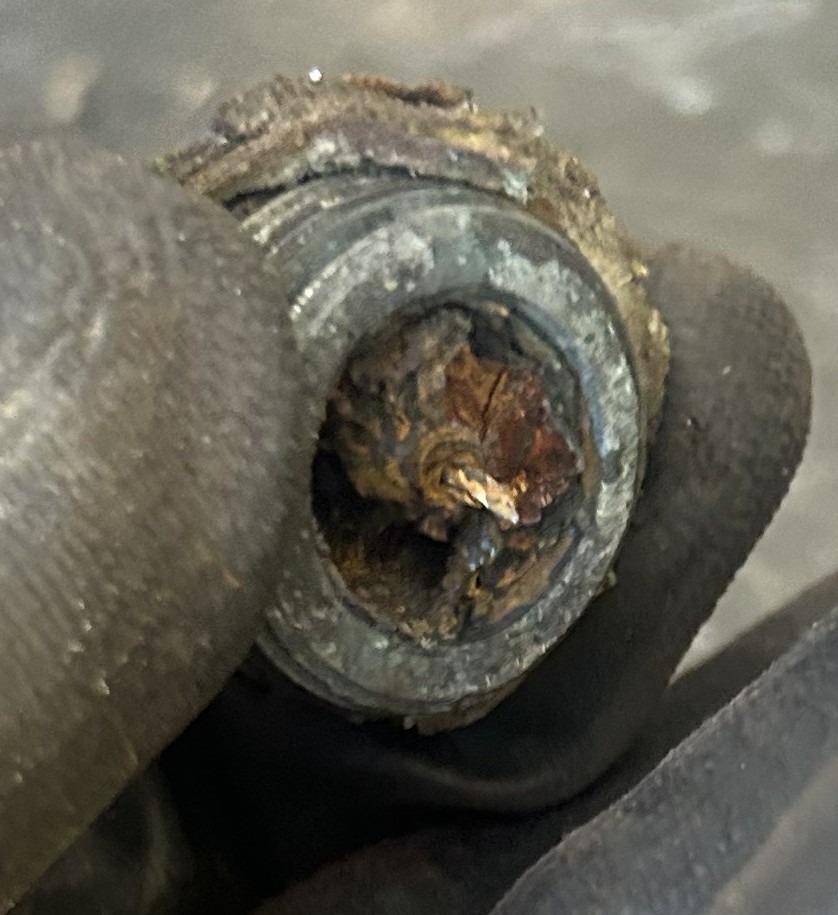
can come from any source, but one source is from the anode rod. The anode rod is a sacifical material that is designed to deplete over the
lifespan of your water heater. By design, negative elements in the water attach to the material thereby breaking the material down and
falling to the bottom of the tsnk. This breakdown, called sediment, now sits in the bottom of your tank. If this sediment is left inside
the tank, it will accumlate and clog up the drain among other things. Back to the rod, once the rod is depleted, the negative particles in
the water will begin to attach themselves to the tank. This depletion can take up to six or seven years. The three to four year suggestive
replacement timeframe calculates the surrounding elements and the likely of removing a completely depleted anode rod after year six or seven.
The tankless water heater doesn't deal with sediment so to speak, but it does have to deal with the negative water quailty issues that
can stick to the pipes and clog up the system. They can also render tthe meter inside the unit useless thereby not turning the unit on
and/or not
producing hot water. The reason flushing tankless water heaters on an annual basis is considered mandatory is due to the size of the pipes
located inside the unit often times below 1/2" in diameter.